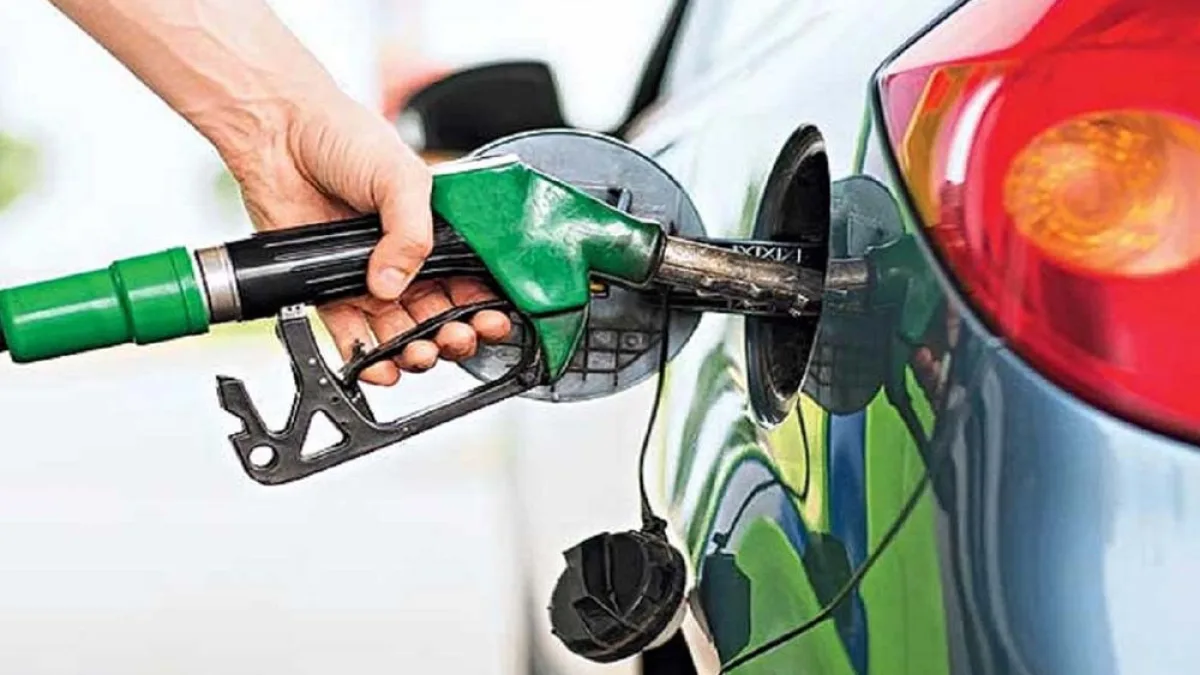
The government has set limits on how much fuel consumers can buy from filling stations across the country amid global fuel supply concerns following attacks involving the United States and Israel in Iran.
In a directive issued on Friday (March 6), Bangladesh Petroleum Corporation announced the new fuel purchase limits to prevent panic buying and ensure stable supply nationwide. The notice was signed by BPC Secretary Shahina Sultana.
According to the directive, motorcycles will be allowed to purchase a maximum of 2 liters of petrol or octane per day. Private cars can purchase up to 10 liters daily. Sports Utility Vehicles (SUVs) and microbuses will be allowed between 20 and 25 liters per day. Pickup trucks and local buses can buy 70 to 80 liters of diesel daily, while long-distance buses, trucks, covered vans, and container trucks will be allowed 200 to 220 liters per day.
Authorities noted that about 95 percent of the country’s fuel demand is met through imports. Due to global uncertainties, fuel import management can sometimes face delays. Recent reports and social media discussions about fuel stock levels have increased consumer demand, leading some dealers to attempt collecting larger quantities of fuel from depots.
The directive also mentioned reports that some consumers and dealers are trying to store excess fuel without authorization. Authorities warned that such actions are being closely monitored by the Energy and Mineral Resources Division and BPC.
Officials assured that fuel imports are continuing as scheduled and regular shipments are arriving in the country. Fuel is also being distributed from main facilities to depots nationwide through rail wagons and tankers. Authorities expect sufficient buffer stock to be built soon to maintain stable supply.
Several conditions were also added to ensure transparency. Consumers must receive purchase receipts mentioning fuel type, quantity, and price. Previous purchase receipts must be shown during the next purchase. Dealers must follow allocation rules, and filling stations must report stock and sales information to the relevant depots.
The directive also emphasized that fuel must be sold at government-approved prices. Charging extra under the pretext of shortages is considered a legal offense. Authorities confirmed that the government has not yet made any decision to increase fuel prices despite the ongoing global situation.