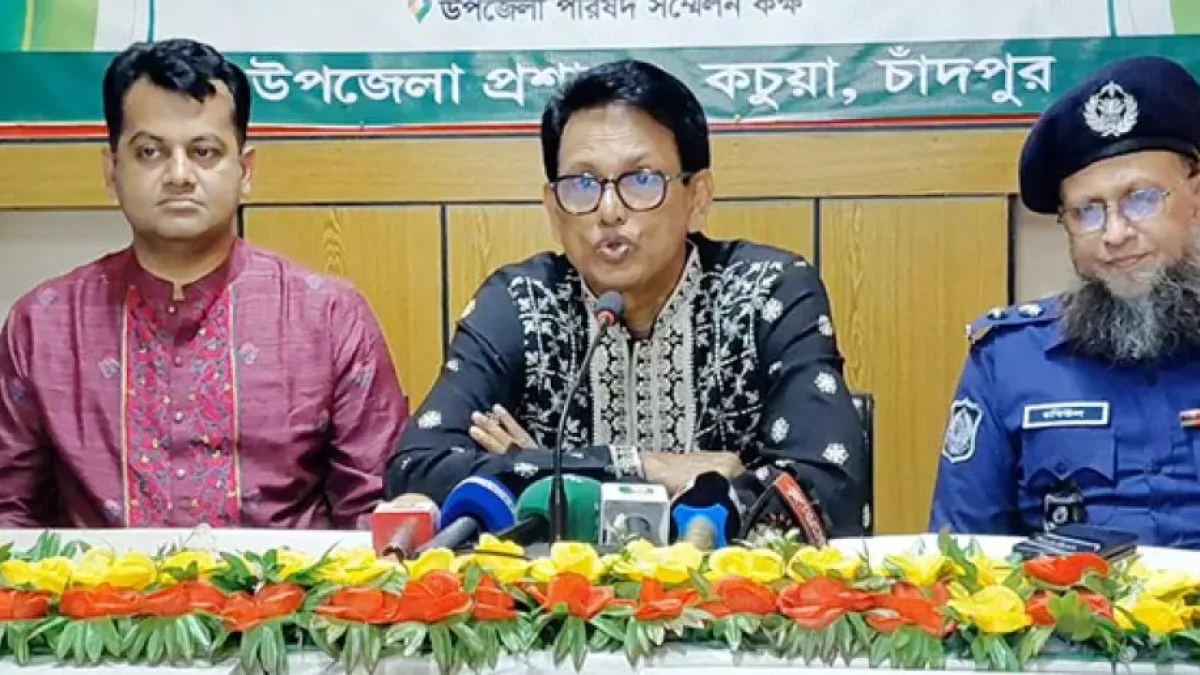
Education Minister Dr. A.N.M. Ehsanul Haque Milon has stated that unnecessary nighttime roaming by teenagers must be stopped, warning that police will question minors found wandering on the streets late at night.
“If teenagers roam the streets at night without valid reason, police will question them. If any constitutional issue arises from this, we will address that later,” the minister said.
He made the remarks on Friday (February 20) while addressing a meeting with local administrative officials in Kachua, Chandpur — his parliamentary constituency.
Directive on Nighttime Monitoring
The minister emphasized that late-night movement of adolescents without proper purpose has become a concern and must be discouraged in order to maintain discipline and social order.
His comments suggest that local law enforcement authorities may begin stricter monitoring of nighttime activities involving minors.
However, his reference to potential “constitutional issues” indicates awareness that such measures may spark debate regarding civil liberties and individual rights.
Strong Stance Against Corruption
During the same meeting, the education minister also issued a firm warning to government officials regarding corruption.
“If government officials and employees cannot remain free from corruption, they should seek transfer elsewhere,” he said.
“I will not engage in corruption in my life, and I will not allow anyone else to do so. This is my promise.”
He further added:
“Those who cannot stand by this promise may kindly transfer themselves elsewhere. Otherwise, inform me — I will arrange a suitable transfer. But I will keep this place clean.”
The statement underscores his declared zero-tolerance policy toward corruption within public administration in his constituency.
Officials Present at the Meeting
The meeting was attended by several senior officials, including:
-
Chandpur Deputy Commissioner Mohammad Nazmul Islam Sarkar
-
Superintendent of Police Rabiul Hasan
-
Kachua Upazila Nirbahi Officer (UNO) Mahmudul Hasan Russell
-
Officer-in-Charge (OC) Borhan Uddin
-
Officials from various administrative departments
Public Reaction and Policy Implications
The minister’s remarks are likely to generate discussion, particularly regarding:
-
Youth monitoring policies
-
Constitutional rights
-
Law enforcement boundaries
-
Anti-corruption measures in local governance
While supporters may view the move as a proactive step toward discipline and security, critics may question its implications for civil liberties.