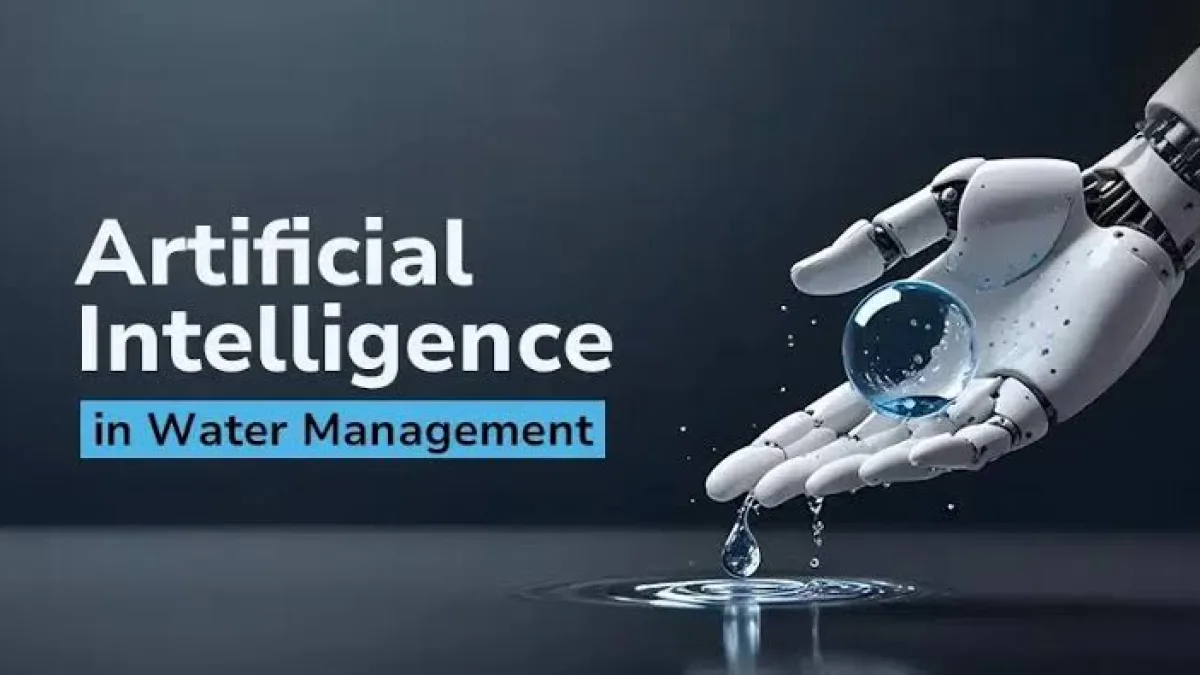
In 2026, Artificial Intelligence (AI) is becoming a critical technology for managing the world's increasingly stressed water resources. Cities, utilities, industries, and agricultural organizations are adopting AI-powered water infrastructure systems to improve efficiency, reduce waste, detect leaks early, monitor water quality, and ensure reliable access to clean water. By integrating Machine Learning (ML), Internet of Things (IoT) sensors, cloud computing, edge computing, digital twins, predictive analytics, and computer vision, AI is creating highly intelligent and connected smart water infrastructure networks.
One of the most important applications of AI is smart leak detection. Water utilities lose significant amounts of treated water through aging pipelines and hidden leaks. AI continuously analyzes pressure readings, flow rates, vibration data, and acoustic sensor information to identify abnormal patterns that indicate leaks. Early detection allows maintenance teams to repair problems before major water loss occurs, reducing costs and conserving valuable resources.
Water quality monitoring has also become more advanced through AI-powered analytics. Sensors installed throughout treatment plants, reservoirs, rivers, and distribution networks continuously measure pH, turbidity, temperature, dissolved oxygen, chlorine levels, and potential contaminants. AI analyzes this data in real time, identifying pollution events and treatment issues much faster than traditional manual testing methods.
Predictive maintenance is helping utilities manage pumps, valves, treatment equipment, and distribution infrastructure more efficiently. AI evaluates operational data such as motor performance, energy consumption, vibration, and pressure fluctuations to predict equipment failures before they occur. This reduces unplanned downtime and improves the reliability of water services.
Demand forecasting is another major benefit of AI in water management. Machine learning analyzes historical consumption patterns, weather forecasts, population growth, industrial activity, and seasonal trends to predict future water demand. Utilities can optimize reservoir levels, pumping schedules, and distribution operations while minimizing energy usage and operational costs.
Digital Twin technology is enabling water providers to create virtual replicas of pipelines, treatment plants, reservoirs, and distribution networks. These digital twins receive continuous real-time data from connected sensors. AI uses them to simulate operational scenarios, evaluate infrastructure upgrades, predict system performance, and optimize maintenance planning before implementing physical changes.
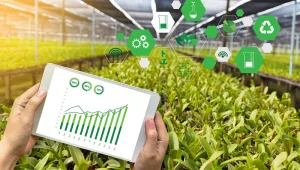
Smart irrigation integration is becoming increasingly important in regions facing water scarcity. AI-powered water infrastructure systems connect with agricultural irrigation networks, analyzing soil moisture, weather conditions, crop requirements, and reservoir capacity to distribute water more efficiently and reduce unnecessary consumption.
Edge computing supports time-sensitive water applications by processing sensor data directly within pumping stations, treatment facilities, and remote monitoring sites. This allows immediate responses to pressure changes, contamination alerts, and equipment failures even when internet connectivity is limited.
Cloud computing complements edge systems by providing centralized analytics, long-term data storage, network-wide monitoring, and AI model training. Utility operators can manage multiple facilities through unified dashboards that provide real-time insights into water quality, infrastructure health, and operational performance.
Computer Vision is improving infrastructure inspections through AI-powered cameras and drones. Intelligent systems can identify corrosion, structural damage, illegal connections, flooding risks, and maintenance issues across pipelines, reservoirs, and treatment facilities more quickly and accurately than traditional inspection methods.
Cybersecurity has become a major priority as water infrastructure becomes more connected. AI-powered security platforms monitor industrial control systems, IoT devices, cloud environments, and communication networks for suspicious activity. Encrypted communications and continuous monitoring help protect critical water infrastructure from cyber threats.
Sustainability is one of the greatest advantages of AI-driven water infrastructure. By reducing leaks, optimizing treatment processes, improving energy efficiency, and supporting intelligent water distribution, AI helps conserve freshwater resources while lowering greenhouse gas emissions associated with pumping and treatment operations.
Despite its many benefits, AI in water infrastructure still faces challenges including modernization costs, integration with legacy systems, sensor deployment, data standardization, workforce training, and regulatory compliance. However, advances in IoT technology, cloud platforms, AI analytics, and smart utility solutions continue to accelerate adoption worldwide.
Looking toward the future, AI-powered water infrastructure will integrate with autonomous inspection robots, blockchain-based water tracking, advanced climate forecasting, smart city platforms, and fully connected digital twin ecosystems. These innovations will create more resilient, efficient, and sustainable water management systems capable of adapting to changing environmental conditions in real time.
AI in Smart Water Infrastructure 2026 represents a major milestone in the digital transformation of water management. By combining artificial intelligence, predictive analytics, IoT sensors, digital twins, cloud computing, edge computing, and intelligent automation, utilities and organizations can reduce water waste, improve infrastructure reliability, enhance water quality, strengthen sustainability efforts, and ensure secure access to clean water for future generations.