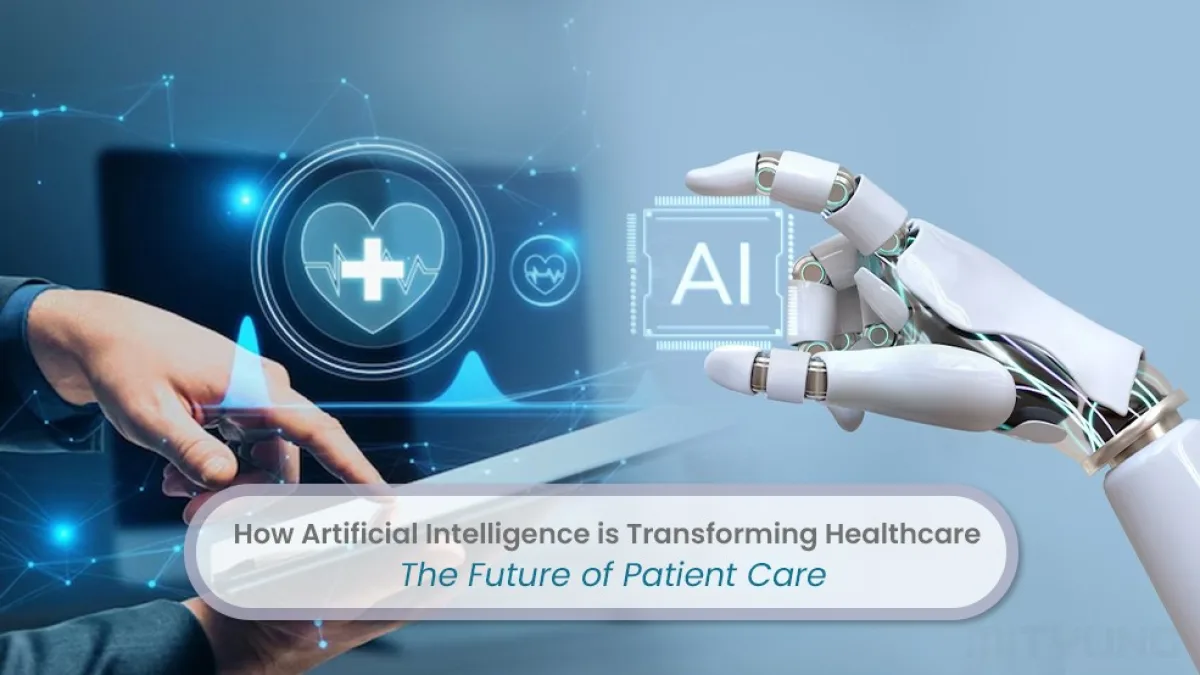
In 2026, Artificial Intelligence (AI) is becoming the backbone of modern healthcare infrastructure. Hospitals, clinics, and healthcare networks are adopting AI-powered systems to improve patient care, optimize medical operations, reduce administrative workloads, and enhance healthcare accessibility. By integrating Machine Learning (ML), Internet of Things (IoT), cloud computing, edge computing, predictive analytics, digital twins, computer vision, and intelligent automation, healthcare organizations are creating smarter and more efficient medical environments.
One of the most important applications of AI is real-time patient monitoring. Smart medical devices continuously collect data such as heart rate, blood pressure, oxygen saturation, glucose levels, and respiratory activity. AI analyzes this information instantly and alerts healthcare professionals when abnormal patterns are detected, enabling faster intervention and improving patient outcomes.
Hospital operations management has become significantly more efficient through AI. Predictive analytics helps administrators forecast patient admissions, optimize bed allocation, manage staffing levels, and coordinate medical resources. AI can identify peak demand periods and recommend operational adjustments that reduce waiting times and improve overall healthcare delivery.
Computer vision is enhancing medical workflows by automating tasks such as patient identification, medication verification, surgical instrument tracking, and diagnostic image analysis. AI-powered imaging systems assist radiologists by detecting abnormalities in X-rays, CT scans, and MRIs with remarkable accuracy.
Telemedicine platforms are increasingly integrated with AI. Intelligent virtual assistants can schedule appointments, answer common medical questions, collect preliminary symptoms, and guide patients to appropriate healthcare services. This improves access to care while reducing the burden on medical staff.
Digital Twin technology is emerging as a powerful tool in healthcare infrastructure. Hospitals create virtual models of facilities, equipment, and patient flow systems that receive real-time operational data. AI uses these digital twins to simulate emergency scenarios, optimize resource allocation, and improve hospital efficiency before implementing changes in the physical environment.
Predictive maintenance is helping healthcare facilities manage critical medical equipment such as MRI machines, ventilators, infusion pumps, and laboratory instruments. AI analyzes equipment performance data to predict failures before they occur, reducing downtime and ensuring essential devices remain available for patient care.
Edge computing enables time-sensitive medical applications to process data locally within hospitals and healthcare devices. This reduces latency for critical monitoring systems while enhancing data privacy. Cloud platforms complement edge systems by supporting large-scale analytics, electronic health record management, and AI model training.
Cybersecurity has become a major priority as healthcare infrastructure becomes more connected. AI-powered security systems monitor networks for unusual activity, detect potential cyber threats, and help protect sensitive patient information. Encrypted communications, identity management, and continuous monitoring strengthen healthcare data security.
Sustainability is another benefit of AI-driven healthcare infrastructure. Intelligent energy management systems optimize lighting, heating, cooling, and equipment usage across hospital facilities, reducing operational costs and environmental impact while maintaining high standards of patient comfort and safety.
Despite its advantages, AI in healthcare infrastructure still faces challenges including regulatory compliance, data privacy concerns, integration with legacy systems, workforce training, and implementation costs. However, advances in cloud platforms, medical IoT devices, AI software, and digital health technologies continue to accelerate adoption.
Looking toward the future, AI-powered healthcare infrastructure will integrate with autonomous medical robots, advanced remote monitoring, blockchain-based health records, quantum-assisted diagnostics, and fully connected smart hospitals. These innovations will create more responsive, efficient, and patient-centered healthcare ecosystems.
AI in Smart Healthcare Infrastructure 2026 represents a major advancement in digital healthcare transformation. By combining artificial intelligence, predictive analytics, IoT, digital twins, cloud computing, edge computing, and intelligent automation, healthcare organizations can improve patient care, optimize operations, reduce costs, strengthen cybersecurity, and build more resilient and sustainable healthcare systems for the future.