In 2026, Artificial Intelligence (AI) is transforming urban transportation systems into highly connected and intelligent mobility networks. As cities face growing populations, traffic congestion, rising fuel costs, and environmental challenges, AI-powered smart mobility solutions are helping governments, transit agencies, and private operators improve transportation efficiency, reduce emissions, and enhance the daily commuting experience. By integrating Machine Learning (ML), Computer Vision, Internet of Things (IoT), cloud computing, edge computing, predictive analytics, digital twins, autonomous vehicles, and 5G connectivity, AI is enabling the next generation of smart urban mobility.
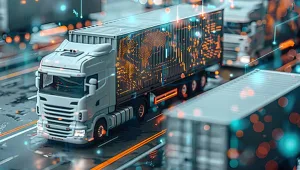
One of the most important applications of AI is real-time traffic flow optimization. AI analyzes data from traffic cameras, connected vehicles, road sensors, GPS systems, and weather services to monitor congestion patterns continuously. Intelligent traffic management systems automatically adjust signal timings, coordinate intersections, and redirect traffic to reduce delays and improve road efficiency.
Public transportation optimization has become significantly more advanced through AI-powered analytics. Transit agencies use machine learning to forecast passenger demand, optimize bus and train schedules, manage fleet deployment, and reduce overcrowding. Real-time predictions help operators respond quickly to service disruptions and changing commuter patterns.
Ride-sharing and mobility platforms rely heavily on AI for dynamic pricing, driver allocation, route planning, and demand prediction. Intelligent algorithms match passengers with nearby vehicles, optimize pickup and drop-off locations, and reduce waiting times while improving vehicle utilization.
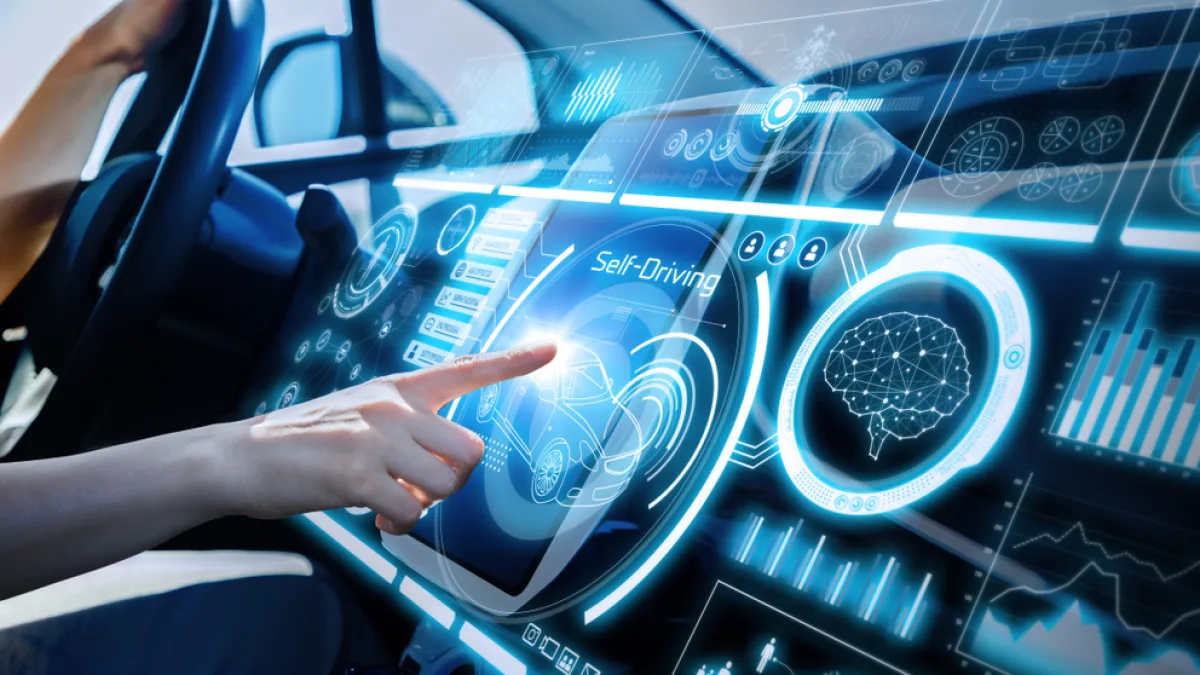
Autonomous urban shuttles are becoming an important part of smart mobility ecosystems. AI-powered vehicles use computer vision, LiDAR, radar, and GPS to navigate city streets, avoid obstacles, recognize traffic signals, and transport passengers safely with minimal human intervention.
Smart parking management is another major benefit of AI in urban mobility. Sensors and cameras detect available parking spaces in real time, while AI guides drivers through mobile applications or digital signage. This reduces the time spent searching for parking, lowers fuel consumption, and decreases traffic congestion in busy urban areas.
Digital Twin technology is enabling cities to create virtual replicas of transportation networks, intersections, parking facilities, and transit systems. AI uses these digital twins to simulate traffic scenarios, evaluate infrastructure changes, predict congestion hotspots, and optimize urban mobility planning before implementing physical modifications.
Edge computing supports time-sensitive mobility applications by processing data locally within traffic signals, connected vehicles, and roadside infrastructure. This allows immediate responses to accidents, congestion, and safety events without relying entirely on cloud connectivity.
Cloud computing complements edge systems by providing centralized analytics, city-wide mobility monitoring, long-term data storage, and AI model training. Transportation authorities can access real-time dashboards showing traffic conditions, transit performance, parking availability, and environmental metrics.
Computer Vision is improving road safety through AI-powered monitoring systems. Intelligent cameras detect accidents, wrong-way driving, pedestrians, cyclists, and hazardous conditions in real time. Automated alerts help emergency responders react faster and reduce the impact of traffic incidents.
Sustainability is one of the greatest advantages of AI-driven urban mobility. By optimizing traffic flow, improving public transit efficiency, supporting electric vehicle integration, and reducing unnecessary fuel consumption, AI helps lower greenhouse gas emissions and improve urban air quality.
Cybersecurity has become increasingly important as transportation infrastructure becomes more connected. AI-powered security platforms monitor mobility networks, IoT devices, traffic management systems, and cloud environments for suspicious activity. Encrypted communications and continuous monitoring help protect critical transportation infrastructure.
Despite its many benefits, AI in urban mobility still faces challenges including infrastructure modernization costs, data privacy concerns, regulatory compliance, interoperability between transportation systems, workforce training, and cybersecurity risks. However, advances in AI software, 5G networks, cloud platforms, and smart city technologies continue to accelerate adoption worldwide.
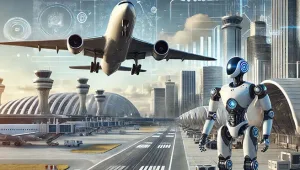
Looking toward the future, AI-powered urban mobility will integrate with autonomous delivery robots, advanced air mobility systems, blockchain-based mobility services, quantum optimization, and fully connected smart city ecosystems. These innovations will create safer, cleaner, and more efficient transportation networks capable of adapting to real-time urban conditions.
AI in Smart Urban Mobility 2026 represents a major milestone in the digital transformation of city transportation. By combining artificial intelligence, predictive analytics, computer vision, IoT sensors, digital twins, cloud computing, edge computing, and intelligent automation, cities can improve traffic management, enhance public transportation, reduce congestion, strengthen sustainability efforts, and build more resilient urban mobility systems for the future.