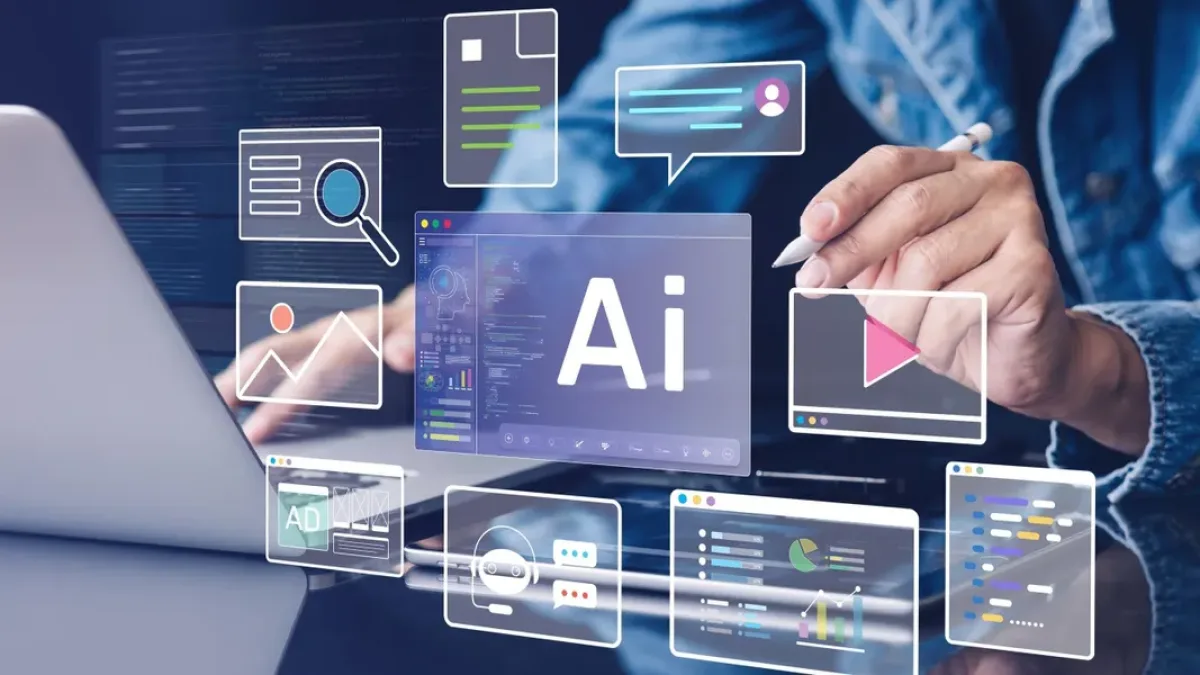
Generative AI has moved from experimentation to mainstream adoption by 2026. What began as tools for simple text generation has now evolved into powerful systems capable of producing high-quality articles, marketing copies, images, videos, music and even software code. Businesses, creators and developers are leveraging generative AI to scale production, reduce costs and accelerate innovation.
At its core, generative AI uses advanced machine learning models trained on massive datasets to understand patterns and generate new content. These models can mimic writing styles, design visuals, compose music and assist in complex programming tasks. As these systems continue to improve, the line between human-created and AI-generated content is becoming increasingly blurred.
One of the biggest advantages of generative AI is productivity. Content teams can produce large volumes of articles, product descriptions and social media posts within minutes. Developers can use AI coding assistants to write functions, debug errors and optimize performance. Designers can generate visual concepts quickly, reducing the time required for creative exploration.
In marketing, generative AI enables hyper-personalization. Brands can tailor content for specific audiences based on behavior, preferences and demographics. This increases engagement and conversion rates while improving customer experience. AI-driven tools can also analyze campaign performance and suggest improvements in real time.
The media and entertainment industry is also being transformed. AI-generated videos, voiceovers and virtual influencers are becoming more common. These innovations allow content creators to produce high-quality media without expensive production setups.
However, generative AI also raises important challenges. Issues such as misinformation, copyright concerns and ethical use of AI-generated content must be addressed. Organizations must establish guidelines to ensure transparency and responsible usage.
Another concern is the impact on jobs. While AI can automate repetitive tasks, it also creates new opportunities in AI development, data analysis and creative strategy. The key is to adapt and learn how to work alongside AI rather than compete with it.
Looking ahead, generative AI is expected to become even more advanced. Future systems may be able to understand context more deeply, generate more accurate outputs and collaborate with humans in more meaningful ways.
Generative AI represents a major shift in how content and software are created. It is not just a tool but a new way of working that will define the digital economy in the coming years.