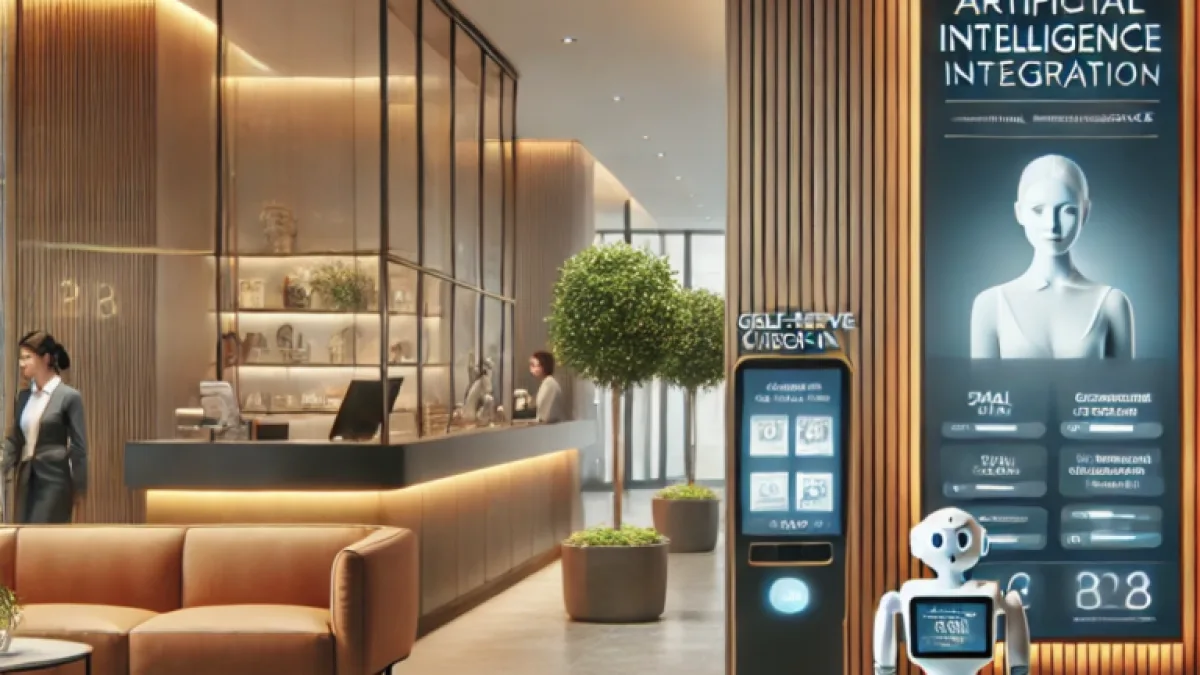
Artificial Intelligence is reshaping the hospitality industry by enabling personalized guest experiences, intelligent room management, predictive maintenance, automated service delivery, and real-time operational optimization. By integrating machine learning, computer vision, IoT sensors, cloud computing, edge computing, digital twins, and advanced analytics, hotels and resorts can improve customer satisfaction, reduce operational costs, enhance staff productivity, and support sustainable tourism initiatives.
Key Transformations in Hospitality Management
Guest Experience
Personalized Guest Services
AI analyzes guest preferences, booking history, travel behavior, and feedback to deliver customized recommendations, room settings, and service offers.
Rooms
Smart Room Management
IoT sensors and AI optimize lighting, temperature, energy usage, occupancy detection, and housekeeping schedules in real time.
Maintenance
Predictive Facility Maintenance
AI monitors HVAC systems, elevators, plumbing, kitchen equipment, and other hotel infrastructure to predict failures before they affect guests.
Operations
Intelligent Operational Optimization
Machine learning forecasts occupancy rates, staffing needs, food demand, and resource allocation to improve efficiency across hotel operations.
AI-Powered Hospitality Capabilities
Computer Vision Monitoring
Real-Time Detection
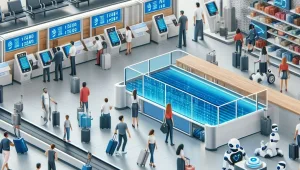
Monitor public area occupancy and congestion
Enhance security and access control
Support automated check-in verification
Identify maintenance and cleanliness issues
Predictive Analytics
Operational Reliability
AI forecasts booking demand, predicts equipment failures, identifies revenue opportunities, and supports proactive management decisions.
Digital Twin Hotel Simulation
Virtual Property
Hotel operators create virtual replicas of rooms, facilities, energy systems, and service workflows to test operational strategies before implementation.
Cloud & Edge Integration
Hybrid Intelligence
Edge systems process time-sensitive room and security data locally, while cloud platforms provide centralized analytics, multi-property monitoring, and AI model training.
Technology Architecture
Technology | Role in Smart Hospitality |
|---|---|
Machine Learning | Predict demand and personalize services |
Computer Vision | Enhance security and occupancy monitoring |
IoT Sensors | Monitor room conditions and equipment health |
Edge Computing | Enable real-time room and facility decisions |
Cloud Computing | Provide centralized hospitality analytics |
Digital Twins | Simulate hotel operations and upgrades |
Business & Guest Benefits
Guests
Higher Satisfaction
Personalized and faster service delivery
Efficiency
Better Efficiency
Optimized staffing and resource allocation
Costs
Lower Costs
Reduced energy waste and maintenance expenses
Revenue
Higher Revenue
Dynamic pricing and demand forecasting
Sustainability Impact
Reduce energy consumption through intelligent room automation
Optimize water usage in guest rooms and facilities
Minimize food waste with demand forecasting
Support sustainable tourism and green hotel initiatives
Challenges in 2026
Integration with legacy property management systems
Cybersecurity protection for connected hotel infrastructure
Privacy management for guest data and AI personalization
Data interoperability across hospitality platforms
Workforce training and digital transformation management
Future Outlook
Over the next few years, AI-powered hospitality management will increasingly integrate with autonomous service robots, biometric guest identification, blockchain-based loyalty programs, advanced digital twins, and fully connected smart tourism ecosystems. These innovations will create more personalized, efficient, and sustainable hospitality experiences capable of adapting dynamically to changing guest expectations and travel trends.