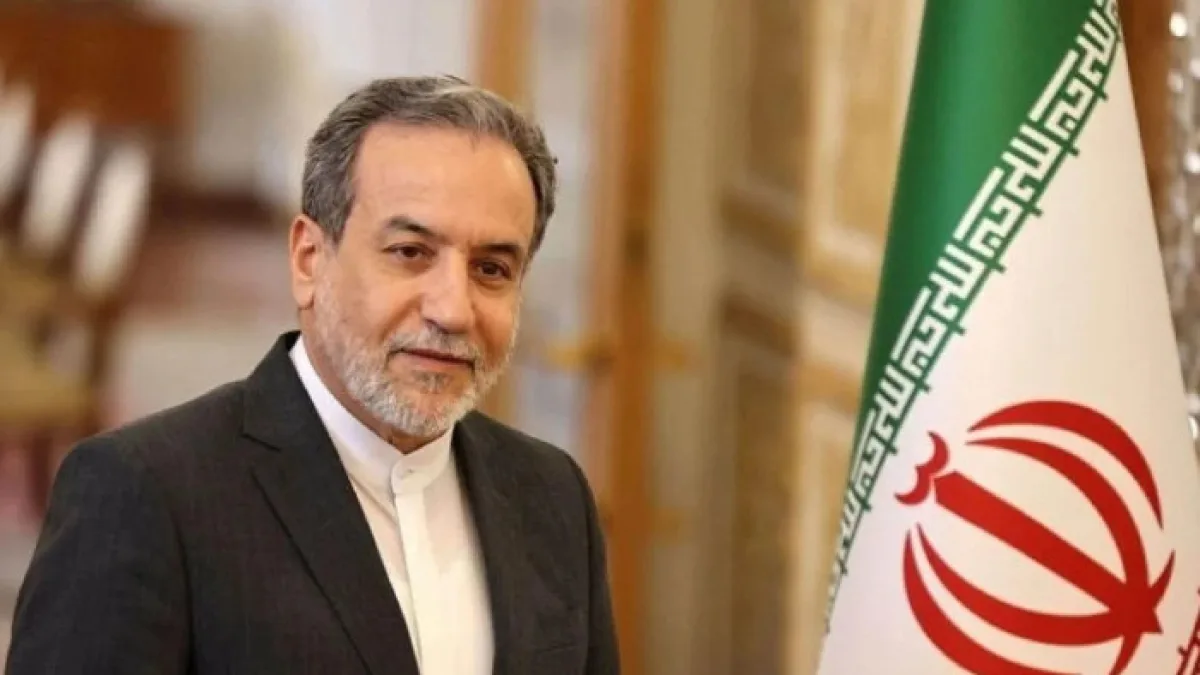
Iran’s Foreign Minister Abbas Araghchi has said there is no military solution to ending Iran’s nuclear program, pushing back against growing threats from Washington as tensions escalate between the two countries.
Speaking to U.S. cable news network MS Now amid reports of heightened Pentagon military readiness targeting Iran, Araghchi emphasized that previous attacks had failed to dismantle Tehran’s nuclear capabilities.
“Last year, that option was tested,” Araghchi said. “Our facilities were subjected to major attacks. Our scientists were assassinated. Yet they were unable to eliminate our nuclear program.”
Trump Issues 10–15 Day Deadline
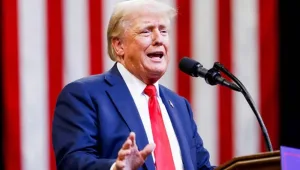
Last Thursday, U.S. President Donald Trump reportedly gave Tehran a 10 to 15-day deadline to reach a deal over its long-standing nuclear dispute. He warned that failure to agree could result in “very serious consequences,” intensifying already fragile diplomatic tensions.
The renewed pressure comes amid broader geopolitical strain in the Middle East and concerns over Iran’s uranium enrichment activities.
Geneva Talks Show Limited Progress
Araghchi revealed that he held indirect discussions this week in Geneva with Trump’s special envoy Steve Witkoff and the former president’s son-in-law Jared Kushner.
According to the Iranian foreign minister, the two sides reached an understanding on key principles. However, he clarified that this does not indicate an imminent agreement.
“We have agreed on certain core principles,” Araghchi said. “But that does not mean a final deal is close.”
He added that Iran has prepared a draft counter-proposal that could be reviewed by senior Iranian officials within the next two to three days. Further discussions between U.S. and Iranian representatives could take place within a week.
Dispute Over Enrichment Demands
During the Geneva discussions, the United States did not explicitly demand a complete halt to uranium enrichment, Araghchi stated. At the same time, Iran did not propose suspending enrichment activities.
When asked about Araghchi’s comments, a White House official reiterated the U.S. position:
“The President has made it clear that Iran cannot have a nuclear weapon or the capability to build one, and it cannot enrich uranium.”
The disagreement over enrichment remains one of the central sticking points in nuclear negotiations.
Human Rights Tensions Add Pressure
The diplomatic standoff has been further complicated by tensions over Iran’s domestic unrest and human rights situation.
In January, when Tehran used lethal force to suppress widespread protests, President Trump renewed military threats against the country.
Last Friday, Trump claimed that approximately 32,000 people had been killed in a short period during the crackdown, calling the situation “extremely tragic.” He also suggested that U.S. pressure forced Iranian leadership to abandon plans for mass executions involving 837 individuals two weeks earlier.
However, casualty figures remain contested.
According to the U.S.-based human rights group HRANA, 7,114 deaths have been independently verified.
Hours after Trump’s statement, Araghchi said the Iranian government had already released a full list of 3,117 people killed during the unrest, describing the events as part of a “counterterrorism operation.”
United Nations Voices Concern
United Nations spokesperson Stéphane Dujarric expressed concern over escalating rhetoric and military activities in the region.
The UN has urged restraint from all sides, warning that heightened tensions and military preparations could destabilize an already volatile geopolitical environment.
Diplomatic Path vs Military Escalation
Araghchi’s remarks underline Tehran’s insistence that military action cannot eliminate Iran’s nuclear ambitions, arguing instead that diplomacy remains the only viable solution.
His statement suggests that despite heightened threats and strategic maneuvering, backchannel negotiations continue — even as both sides publicly harden their positions.
With deadlines looming and military preparedness increasing, the coming days may prove critical in determining whether diplomacy prevails or tensions spiral further.