Agriculture is undergoing one of the biggest technological transformations in history. As the global population continues to grow and climate change creates new challenges for food production, farmers are turning to advanced technologies to increase crop yields while reducing costs and protecting natural resources. In 2026, AI-powered Smart Agriculture has become one of the most important innovations helping farmers make better decisions through data-driven farming, automation, and precision agriculture.
Artificial Intelligence combines machine learning, computer vision, drones, satellite imagery, Internet of Things (IoT) sensors, robotics, and predictive analytics to monitor crops, analyze soil conditions, forecast weather, detect diseases, optimize irrigation, and automate farming operations. Instead of relying solely on traditional farming experience, growers can now use real-time insights to maximize productivity and minimize waste.
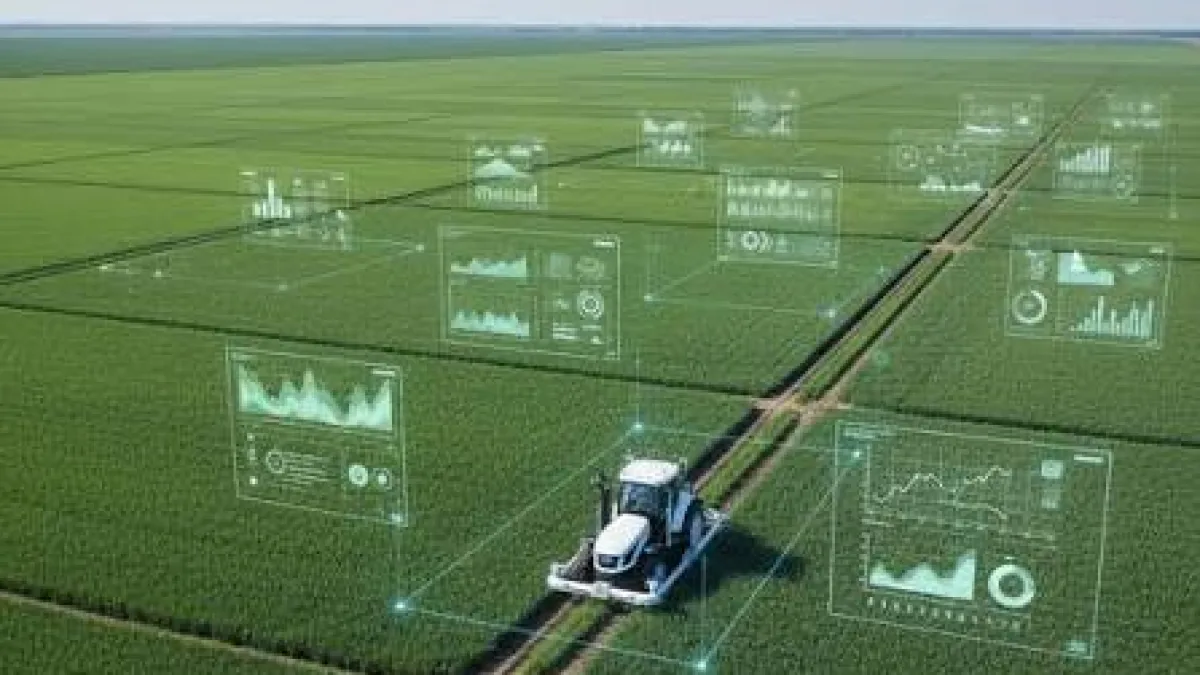
One of the most significant advantages of AI in agriculture is precision farming. Rather than applying the same amount of water, fertilizer, or pesticides across an entire field, AI analyzes variations in soil quality, moisture, and crop health to determine exactly where resources are needed. This targeted approach reduces input costs while improving crop quality and protecting the environment.
Modern farms are increasingly equipped with IoT sensors that continuously monitor soil moisture, temperature, humidity, pH levels, and nutrient content. AI platforms analyze this data and provide recommendations on irrigation schedules, fertilizer application, and planting strategies. Farmers receive real-time alerts through mobile applications, allowing them to respond quickly to changing field conditions.
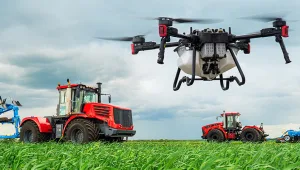
Drone technology has become another essential part of smart farming. AI-powered drones capture high-resolution images of farmland and identify crop stress, nutrient deficiencies, weed growth, pest infestations, and irrigation problems long before they become visible to the human eye. Early detection allows farmers to take corrective action quickly, preventing significant crop losses and improving overall productivity.
Satellite imagery is also transforming agricultural monitoring. Advanced AI algorithms analyze satellite data to track vegetation health, estimate crop yields, monitor drought conditions, and evaluate seasonal growth patterns across large agricultural areas. Governments, agricultural companies, and farmers use these insights to improve food production planning and strengthen supply chain management.
Weather forecasting has become far more accurate through artificial intelligence. AI models combine historical climate records with real-time meteorological information to predict rainfall, storms, droughts, and temperature changes. Farmers can use these forecasts to plan planting schedules, irrigation, harvesting, and pest management more effectively while reducing weather-related risks.
Autonomous agricultural machinery is becoming increasingly common. AI-powered tractors, harvesters, and robotic equipment can perform planting, spraying, fertilizing, and harvesting with minimal human intervention. GPS guidance systems, computer vision, and machine learning enable these machines to operate with exceptional precision while reducing labor costs and fuel consumption.
Pest and disease detection is another major application of AI in farming. Computer vision systems analyze plant images to identify diseases, fungal infections, insect damage, and nutrient deficiencies during the earliest stages of development. Early intervention helps farmers reduce crop losses while minimizing unnecessary pesticide use, supporting both profitability and environmental sustainability.
Livestock farming is also benefiting from artificial intelligence. Smart sensors monitor animal health, feeding behavior, movement patterns, and body temperature. AI analyzes this information to detect illnesses, optimize feeding schedules, improve breeding programs, and enhance overall animal welfare. Farmers receive instant notifications if unusual behavior indicates potential health problems.
Supply chain optimization has become increasingly important as food distribution networks grow more complex. AI predicts market demand, optimizes storage conditions, improves transportation logistics, and reduces food waste throughout the supply chain. Better forecasting helps farmers sell products more efficiently while ensuring consumers receive fresher food.
Sustainability remains one of the strongest advantages of AI-powered agriculture. Precision irrigation reduces water consumption, optimized fertilizer use minimizes chemical runoff, and intelligent pest management lowers pesticide usage. These improvements help preserve soil health, reduce greenhouse gas emissions, and promote environmentally responsible farming practices.
Cloud computing enables farmers to access advanced AI tools without investing in expensive computing infrastructure. Agricultural data collected from sensors, drones, and machinery is securely stored and analyzed in the cloud, allowing farmers to monitor multiple fields from smartphones, tablets, or computers regardless of their location.
Small-scale farmers are also gaining access to AI-powered agricultural platforms. Mobile applications now provide affordable crop recommendations, weather alerts, pest identification, soil analysis, and market pricing information. These digital tools help small farmers improve productivity while increasing profitability and reducing production risks.
Despite its many benefits, AI-powered agriculture still faces several challenges. Reliable internet connectivity remains limited in some rural areas, advanced farming equipment requires significant investment, and farmers need digital training to fully utilize AI technologies. However, continued innovation and falling technology costs are making smart farming solutions increasingly accessible worldwide.
Governments and agricultural organizations are investing heavily in digital farming initiatives. Research programs, financial incentives, and rural technology infrastructure are helping accelerate AI adoption while strengthening food security and supporting sustainable agricultural development.
Looking toward the future, AI-powered agriculture will continue integrating with robotics, blockchain, autonomous vehicles, and climate intelligence systems. Farms of the future will become increasingly connected, automated, and data-driven, allowing producers to grow more food using fewer natural resources while adapting to changing environmental conditions.
AI-powered Smart Agriculture in 2026 represents far more than technological modernization—it is becoming an essential foundation for global food security, environmental sustainability, and economic resilience. By combining artificial intelligence with precision farming techniques, agriculture is entering a new era where smarter decisions lead to healthier crops, more efficient resource management, and a more sustainable future for farmers and consumers alike.