Synthetic Biology has become one of the fastest-growing scientific fields in 2026, combining biology, genetic engineering, artificial intelligence, robotics, and computational design to create new biological systems with enhanced capabilities. Rather than simply studying living organisms, synthetic biology enables scientists to redesign cells, microorganisms, and genetic pathways to solve some of the world's biggest challenges, including disease treatment, food production, environmental sustainability, and renewable manufacturing.
At its core, synthetic biology applies engineering principles to biology. Scientists design, build, test, and optimize biological components much like engineers develop computer hardware or software. Using technologies such as DNA synthesis, CRISPR gene editing, machine learning, and automated laboratory systems, researchers can modify living cells to perform highly specialized tasks with remarkable precision.
One of the most important applications of synthetic biology is healthcare. Scientists are engineering bacteria, viruses, and immune cells that can identify and destroy cancer cells while minimizing damage to healthy tissue. Personalized medicine is becoming increasingly advanced as genetically engineered therapies are designed specifically for individual patients based on their DNA profiles. This approach improves treatment effectiveness while reducing unwanted side effects.
Synthetic biology is also accelerating vaccine development. Instead of relying on traditional production methods that may require months or even years, researchers can rapidly design synthetic genetic sequences to develop vaccines against newly emerging infectious diseases. AI-powered biological modeling further speeds up the identification of promising vaccine candidates, helping improve global pandemic preparedness.
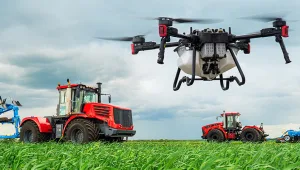
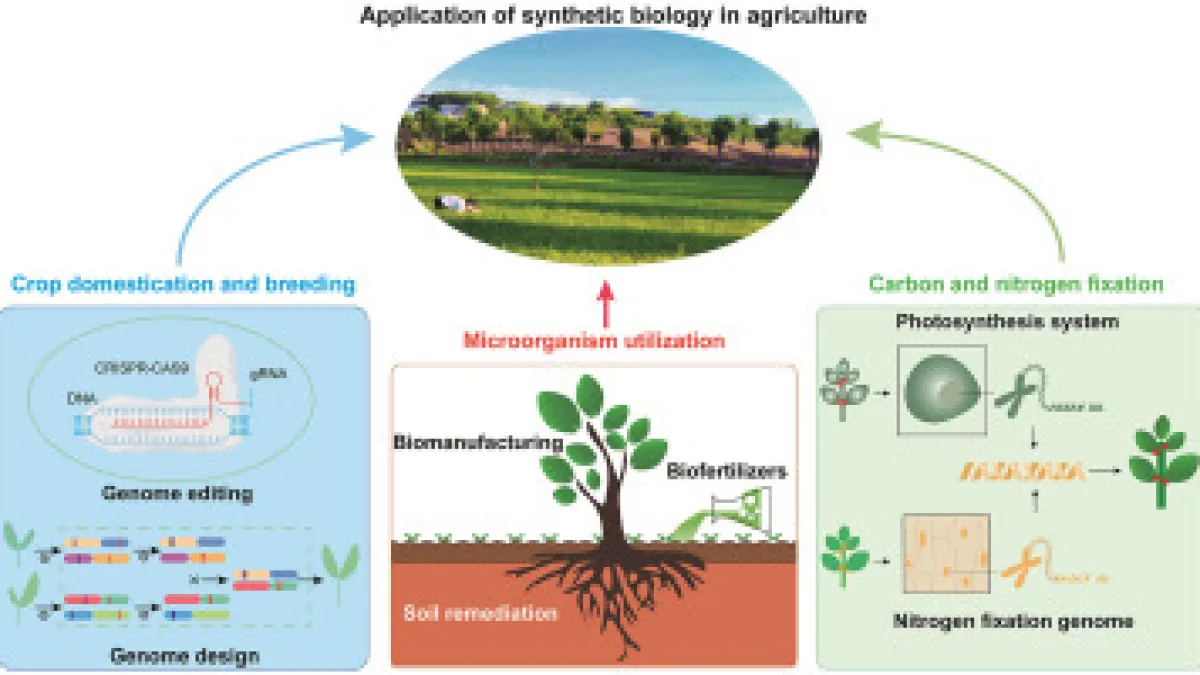
Agriculture is undergoing major transformation through synthetic biology. Researchers are creating crops with improved drought resistance, higher nutritional value, greater disease resistance, and better tolerance to extreme weather conditions caused by climate change. These innovations help farmers increase crop yields while reducing dependence on chemical pesticides and fertilizers, supporting more sustainable food production.
Food technology companies are using synthetic biology to produce alternative proteins without traditional livestock farming. Engineered microorganisms can manufacture proteins, dairy ingredients, enzymes, vitamins, and healthy fats through precision fermentation. These products require significantly less land, water, and energy than conventional agriculture while helping reduce greenhouse gas emissions associated with food production.
Environmental sustainability represents another major opportunity. Scientists are engineering microorganisms capable of breaking down plastic waste, absorbing carbon dioxide, cleaning polluted water, and removing toxic chemicals from contaminated soil. These living biological solutions may become powerful tools for environmental restoration and climate change mitigation.
Industrial manufacturing is increasingly adopting synthetic biology to replace petroleum-based production processes. Engineered microbes can produce biodegradable plastics, specialty chemicals, cosmetics, pharmaceuticals, textiles, and industrial materials using renewable biological feedstocks instead of fossil fuels. This shift supports a circular economy while reducing industrial carbon emissions.
Artificial intelligence has become an essential partner in synthetic biology research. AI analyzes massive genomic datasets, predicts protein structures, designs new DNA sequences, and identifies optimal genetic modifications much faster than traditional laboratory methods. Machine learning significantly shortens research timelines while increasing the accuracy of biological engineering.
Automation is further accelerating innovation through robotic laboratories. Automated systems can perform thousands of biological experiments simultaneously, analyze results, and continuously optimize genetic designs. This high-throughput approach allows researchers to discover new biological solutions more quickly and at lower cost than manual experimentation.
Biopharmaceutical companies are using synthetic biology to manufacture advanced medicines more efficiently. Engineered cells produce insulin, antibodies, vaccines, hormones, and other therapeutic proteins with high precision and consistent quality. Modern biomanufacturing facilities increasingly rely on synthetic biology to improve pharmaceutical production while reducing manufacturing costs.
Energy production is another emerging application. Researchers are developing engineered algae and microorganisms capable of producing sustainable biofuels, hydrogen, and renewable chemicals from sunlight, carbon dioxide, or agricultural waste. These biological energy systems may complement solar, wind, and hydrogen technologies in the transition toward cleaner energy sources.
Space exploration agencies are also investigating synthetic biology for long-duration missions. Engineered microorganisms could produce food, oxygen, medicines, construction materials, and recycling systems for astronauts during future missions to the Moon, Mars, and beyond. Biological manufacturing reduces the need to transport large quantities of supplies from Earth, making deep-space exploration more practical.
Despite its enormous potential, synthetic biology raises important ethical, regulatory, and biosafety considerations. Scientists and policymakers must ensure genetically engineered organisms are developed responsibly, with strict safety protocols to prevent unintended environmental impacts. Transparent governance, international collaboration, and public engagement remain essential for building trust in this rapidly advancing field.
Cybersecurity is becoming increasingly relevant as biological research becomes more digitized. Protecting genomic databases, DNA design software, laboratory automation systems, and biotechnology infrastructure from cyber threats is essential for safeguarding valuable scientific research and preventing misuse of advanced biological technologies.
Governments worldwide are investing heavily in synthetic biology through national biotechnology strategies, research grants, startup funding, and public-private partnerships. Universities, research institutes, and biotechnology companies continue expanding their capabilities as synthetic biology becomes a strategic driver of economic growth and scientific innovation.
Looking toward the future, synthetic biology is expected to integrate even more closely with artificial intelligence, quantum computing, nanotechnology, and advanced robotics. Scientists envision programmable living systems capable of repairing damaged tissues, producing sustainable materials, restoring ecosystems, and addressing challenges that were previously impossible to solve using conventional technologies.
Synthetic Biology in 2026 represents far more than an advancement in genetic engineering—it marks the beginning of a new era where biology becomes a programmable technology platform. By combining engineering principles with living systems, synthetic biology has the potential to revolutionize healthcare, agriculture, manufacturing, environmental protection, and clean energy while helping build a healthier, more sustainable future.