As global electricity demand continues to rise, governments and energy companies are searching for innovative ways to produce clean, reliable, and sustainable power. While solar farms and wind turbines have become essential components of renewable energy, they still depend heavily on weather conditions and daylight hours. One of the most ambitious technologies under development is Space-Based Solar Power (SBSP)—a concept that aims to collect solar energy in space and transmit it wirelessly back to Earth.
In 2026, space agencies, private aerospace companies, and research institutions are making significant progress toward transforming this futuristic idea into reality. Unlike ground-based solar panels, satellites placed in Earth's orbit can receive nearly continuous sunlight without interruptions from clouds, nighttime, or seasonal weather changes. This continuous exposure enables orbital solar power stations to generate electricity almost 24 hours a day, dramatically increasing energy production efficiency.
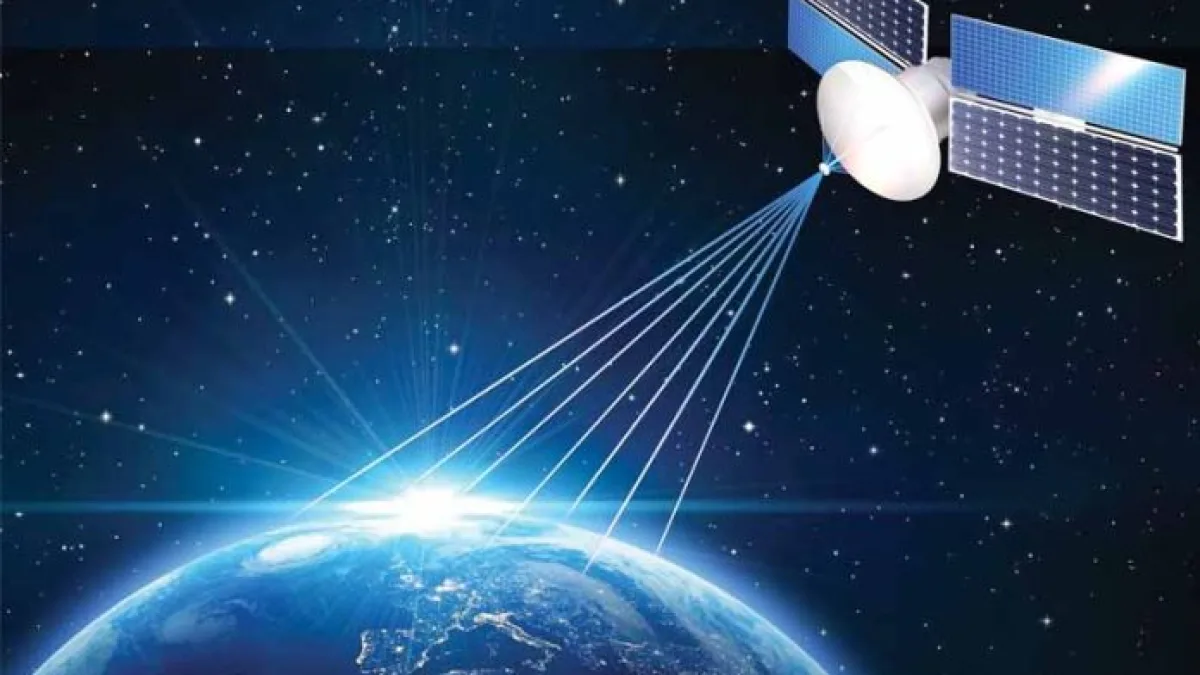
Space-Based Solar Power works by placing enormous solar arrays in geostationary or low Earth orbit. These arrays collect sunlight using high-efficiency photovoltaic cells and convert it into electrical energy. The electricity is then transformed into microwave or laser beams and transmitted safely to receiving stations on Earth, known as rectennas. These receiving stations convert the transmitted energy back into electricity before delivering it to homes, businesses, factories, and power grids.
One of the greatest advantages of orbital solar power is reliability. Traditional renewable energy sources depend on environmental conditions that can fluctuate throughout the day. Solar panels stop producing electricity after sunset, while wind turbines require sufficient wind speeds. Space-based solar systems avoid these limitations because sunlight in space remains nearly constant throughout the year.
Energy security is another major reason countries are investing in this technology. Nations that rely heavily on imported fossil fuels could generate continuous renewable electricity from orbital infrastructure, reducing dependence on volatile energy markets while improving long-term national energy independence.
Artificial Intelligence plays an essential role in managing Space-Based Solar Power systems. AI continuously monitors satellite performance, predicts maintenance requirements, optimizes solar panel orientation, manages wireless energy transmission, and analyzes weather conditions at receiving stations. Machine learning algorithms help maximize electricity generation while minimizing transmission losses and operational costs.
Robotic systems are also becoming increasingly important. Autonomous robots may eventually assemble massive solar power satellites directly in space, reducing launch costs and enabling construction projects that would be impossible using traditional methods. AI-powered maintenance robots can inspect, repair, and replace damaged components without requiring human astronauts.
The aerospace industry sees Space-Based Solar Power as a major opportunity for innovation. Advances in reusable rockets, lightweight composite materials, modular satellite designs, and autonomous manufacturing are making orbital infrastructure more affordable than ever before. Lower launch costs significantly improve the commercial viability of large-scale solar power satellites.
Developing countries may also benefit from this technology. Remote communities lacking reliable electrical infrastructure could receive clean electricity through wireless power transmission without requiring extensive power line construction. Disaster recovery operations could similarly benefit by rapidly restoring electricity after hurricanes, earthquakes, floods, or other natural disasters.
Industries with high electricity demand—including data centers, manufacturing facilities, hydrogen production plants, desalination systems, and artificial intelligence computing centers—could eventually receive stable renewable electricity from orbital power stations. This consistent energy supply would reduce carbon emissions while improving operational reliability.
The telecommunications sector may also integrate orbital energy infrastructure with communication satellites, allowing future spacecraft to provide both internet connectivity and renewable energy services. Such multifunctional satellites could improve economic efficiency while reducing the number of launches required.
Environmental benefits are substantial. Space-Based Solar Power produces electricity without greenhouse gas emissions, air pollution, or fuel consumption. Large-scale deployment could reduce reliance on coal-fired and natural gas power plants, supporting international climate goals and accelerating the transition toward carbon-neutral energy systems.
Unlike massive ground-based solar farms, orbital solar stations require minimal land use on Earth. Receiving stations occupy relatively small areas compared to traditional renewable energy installations, helping preserve agricultural land and natural ecosystems.
Researchers continue studying the safety of wireless energy transmission. Modern designs use carefully controlled microwave frequencies and advanced beam-steering technologies to ensure energy is transmitted accurately to designated receiving stations while minimizing environmental impact. Multiple redundant safety systems automatically reduce transmission if alignment changes unexpectedly.
Several countries have announced national programs focused on orbital solar power research. Space agencies are collaborating with universities, defense organizations, and private companies to develop prototype satellites capable of demonstrating wireless energy transmission technologies in orbit.
Economic challenges remain significant. Building, launching, assembling, and maintaining orbital solar stations requires major investments and advanced engineering capabilities. However, ongoing reductions in launch costs, improvements in reusable spacecraft, and advances in satellite manufacturing continue making commercial deployment increasingly feasible.
International cooperation will likely play an important role in the future of Space-Based Solar Power. Shared research programs, common technical standards, and global partnerships could accelerate technology development while ensuring equitable access to clean energy resources.
Looking ahead, experts believe orbital solar energy could become a valuable complement to existing renewable technologies rather than replacing them. Combined with solar farms, wind turbines, battery storage, hydrogen production, and smart electrical grids, Space-Based Solar Power may help create resilient, reliable, and carbon-free energy systems capable of meeting future global electricity demand.
Space-Based Solar Power in 2026 represents one of humanity's boldest clean-energy ambitions. By combining aerospace engineering, artificial intelligence, renewable energy, robotics, wireless power transmission, and advanced satellite technologies, orbital solar power has the potential to redefine how electricity is generated and distributed, supporting a cleaner, more sustainable future for generations to come.