Thousands of young Bangladeshis seeking a better future in Italy are falling victim to sophisticated human trafficking networks that extort billions of taka each year, according to a new international study.
One such victim is Kamruzzaman from Mujahidpur village in Jagannathpur upazila of Sunamganj. In 2024, a human trafficking syndicate promised to send him to Italy for Tk 1.5 million. Instead, he was taken to Libya via Egypt, where he was held hostage and forced to pay an additional Tk 1 million in ransom. In total, the traffickers extorted Tk 2.5 million from him, yet he never reached his intended destination.
A similar ordeal was faced by Imran Hossain from Narayanganj. In September 2024, traffickers flew him to Kuwait before transporting him through Egypt to Libya. After initially paying Tk 500,000 in Bangladesh, he was subjected to brutal torture in Libya, including having his leg pierced with a drilling machine, until his family paid another Tk 1.9 million. Altogether, the syndicate extorted Tk 2.4 million from him. After nearly a year in captivity, he returned to Bangladesh with assistance from the International Organization for Migration (IOM).
According to the study, around 25,000 to 30,000 Bangladeshis are taken to Libya every year with promises of reaching Italy. Migrants typically agree to pay between Tk 1.5 million and Tk 1.6 million, but many are later held hostage and forced to pay large sums in ransom. Researchers estimate that trafficking networks generate between Tk 4,500 crore and Tk 5,000 crore annually through this illegal business.
The research was conducted by the Mixed Migration Centre (MMC) with financial support from Denmark's Ministry of Foreign Affairs and Germany's Robert Bosch Stiftung Foundation. Led by migration expert Arezo Malakouti, the report highlights the vast financial network behind irregular migration from Bangladesh to Italy through Libya.
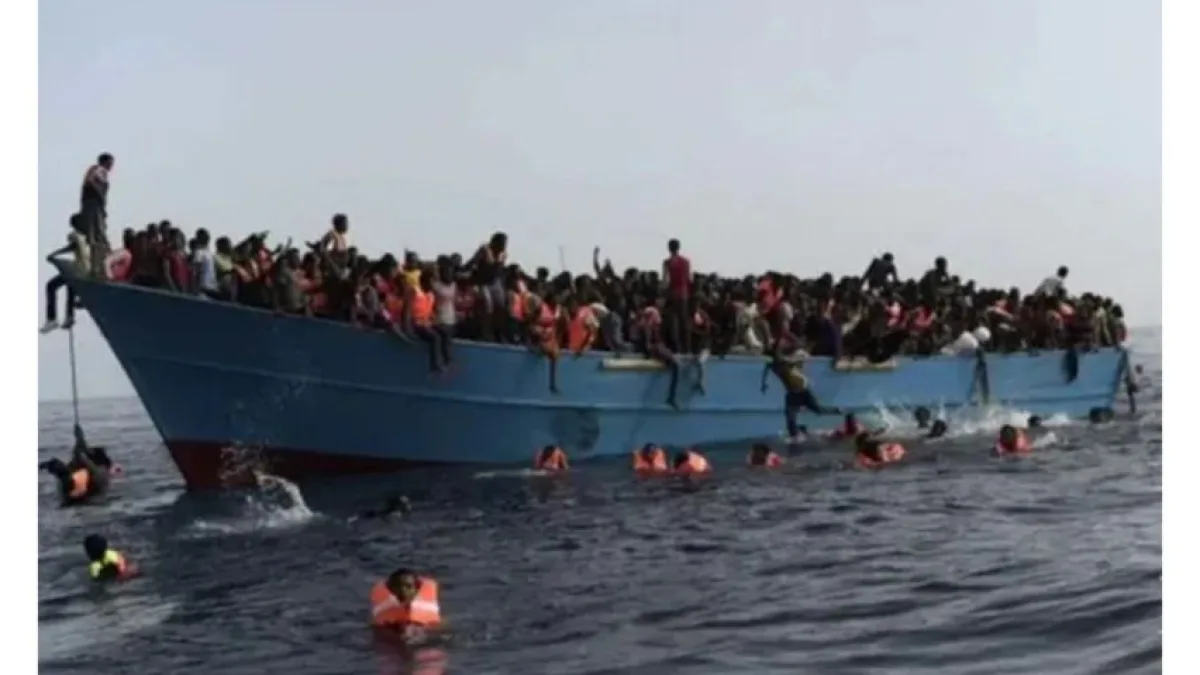
The report states that nearly 14,000 Bangladeshis reached Italy by sea in 2024. It estimates that traffickers directly pocketed between US$160 million and US$190 million (approximately Tk 2,300 crore), while the remaining money was collected through brokers, forged recruitment documents, and transit expenses.
Mohammad Tarikul Islam, Country Director of Justice and Care Bangladesh, said that while some migrants eventually reach Italy through dangerous sea crossings, many remain trapped in Libyan detention camps or are forced to return home after suffering severe abuse.
The report also reveals that trafficking networks have become increasingly organized. Recruiters often target potential victims at tea stalls, religious gatherings, and social events while using platforms such as Facebook and Imo to advertise illegal migration opportunities. Fake success stories and staged videos are frequently used to lure desperate job seekers.
Researchers found that some individuals associated with licensed recruiting agencies are also involved in illegal trafficking, making it difficult for migrants to distinguish between legitimate overseas employment opportunities and fraudulent schemes.
Traffickers market different migration "packages," including a standard package costing US$10,000 and an all-inclusive package costing US$14,000. However, migrants are often forced to pay an additional US$15,000 to US$17,000 after arriving in Libya under the pretext of security fees, coastal clearance, or safer boat crossings. Those unable to pay frequently face torture and prolonged captivity.
According to the report, only around 30 percent of Bangladeshis who leave for Italy through Libya ultimately reach their destination. The remaining 70 percent either perish in the Mediterranean Sea, remain imprisoned in secret detention facilities in Libya, or return home burdened with debt.
The MMC has recommended stricter action against recruitment agencies involved in trafficking, stronger cyber monitoring of trafficking advertisements on Facebook and Imo, dismantling trafficking syndicates operating through airports, and launching nationwide awareness campaigns about the dangers of the Libya-Italy route.
Responding to the findings, Dr. Ziauddin Ahmed, Additional Secretary (Political Wing) at the Ministry of Home Affairs, said the government is strengthening legal measures against human trafficking. He noted that a revised law has already been enacted and implementing rules are currently being finalized. He also said that trafficking to Italy has declined and further efforts are underway to curb the crime.