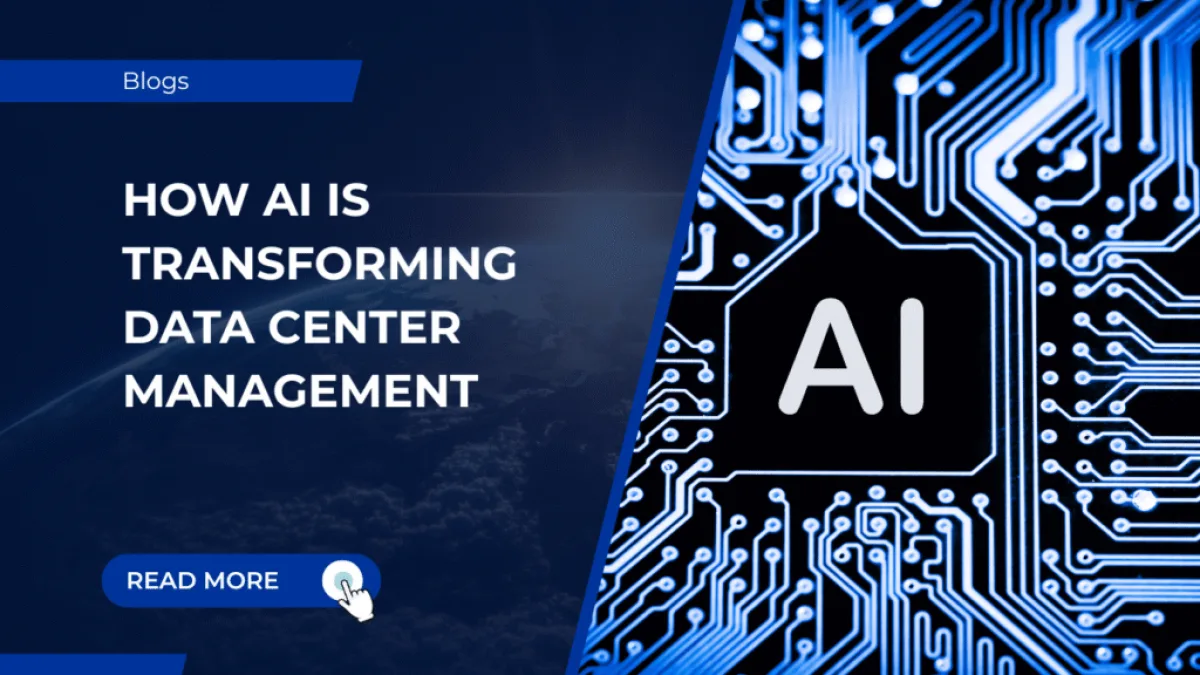
In 2026, Artificial Intelligence (AI) is becoming a critical technology for managing modern data centers that power cloud computing, artificial intelligence platforms, streaming services, financial systems, healthcare applications, and global digital infrastructure. As demand for computing resources continues to grow, AI-powered data center operations are helping organizations improve energy efficiency, optimize server utilization, prevent equipment failures, strengthen cybersecurity, and reduce operational costs. By integrating Machine Learning (ML), Internet of Things (IoT) sensors, cloud analytics, edge computing, digital twins, and predictive maintenance technologies, AI is enabling highly intelligent smart data center operations.
One of the most important applications of AI is energy optimization. Data centers consume enormous amounts of electricity for servers, cooling systems, networking equipment, and backup infrastructure. AI continuously analyzes temperature, airflow, server workloads, power usage, and environmental conditions to optimize cooling and energy distribution. Intelligent control systems can reduce energy waste while maintaining safe operating temperatures.
Predictive maintenance has become a major advantage of AI-driven data centers. Sensors installed on servers, cooling units, power supplies, batteries, and networking equipment generate continuous operational data. AI analyzes vibration, temperature, power consumption, fan performance, and error logs to detect early signs of failure before equipment breaks down, reducing downtime and maintenance expenses.
Workload management is another critical benefit. AI dynamically allocates computing resources based on application demand, traffic patterns, and performance requirements. Intelligent orchestration platforms can migrate workloads, balance server utilization, and optimize cloud resource allocation to improve performance and reduce operational costs.
Digital Twin technology is enabling operators to create virtual replicas of entire data center facilities. These digital twins receive real-time data from servers, cooling systems, power infrastructure, and network equipment. AI uses them to simulate capacity planning, evaluate infrastructure upgrades, predict performance bottlenecks, and optimize operational strategies before implementing physical changes.
Edge computing integration has become increasingly important as organizations deploy distributed computing infrastructure closer to users and devices. AI coordinates workloads between central data centers and edge locations, ensuring low-latency performance while optimizing network traffic and resource utilization.
Cloud computing platforms complement on-premises operations by providing centralized analytics, multi-site monitoring, long-term data storage, and AI model training. Operators can access real-time dashboards showing power consumption, cooling efficiency, server health, network performance, and capacity utilization across multiple facilities.
AI-powered cybersecurity is a major priority in modern data centers. Intelligent security systems monitor network traffic, user behavior, server activity, and access patterns to detect anomalies, malware, ransomware, unauthorized access attempts, and insider threats. Automated incident response helps contain attacks before they affect critical services.
Capacity forecasting is becoming more accurate through AI-driven analytics. Machine learning models analyze historical usage patterns, customer demand, application growth, and seasonal trends to predict future computing requirements. This helps organizations plan infrastructure expansion and avoid capacity shortages.
Cooling optimization is one of the most impactful sustainability applications. AI adjusts airflow, fan speeds, liquid cooling systems, and temperature zones based on real-time server workloads. Advanced cooling analytics can significantly reduce energy consumption while maintaining reliable operation.
Automated operations are increasingly common in next-generation data centers. AI can manage routine tasks such as server provisioning, configuration management, fault detection, backup scheduling, and performance tuning, allowing IT teams to focus on strategic initiatives and innovation.
Sustainability is one of the greatest advantages of AI-powered data center management. By improving energy efficiency, optimizing cooling systems, reducing hardware failures, and supporting renewable energy integration, AI helps lower carbon emissions and contributes to corporate environmental goals.
Despite its many benefits, AI in data center operations still faces challenges including infrastructure modernization costs, integration with legacy systems, data quality management, cybersecurity risks, workforce training, and the growing energy demands of large-scale AI workloads. However, advances in AI software, high-efficiency hardware, liquid cooling technologies, cloud platforms, and intelligent automation continue to accelerate adoption worldwide.
Looking toward the future, AI-powered data centers will integrate with autonomous infrastructure management, quantum computing resources, advanced digital twins, renewable energy microgrids, and fully self-optimizing cloud platforms. These innovations will create more resilient, efficient, and sustainable digital infrastructure capable of supporting the next generation of global computing services.
AI in Smart Data Center Operations 2026 represents a major milestone in the evolution of digital infrastructure management. By combining artificial intelligence, predictive analytics, IoT sensors, digital twins, cloud computing, edge computing, intelligent automation, and cybersecurity analytics, organizations can improve performance, reduce energy consumption, strengthen reliability, optimize cloud operations, and build smarter and more sustainable data centers for the future.