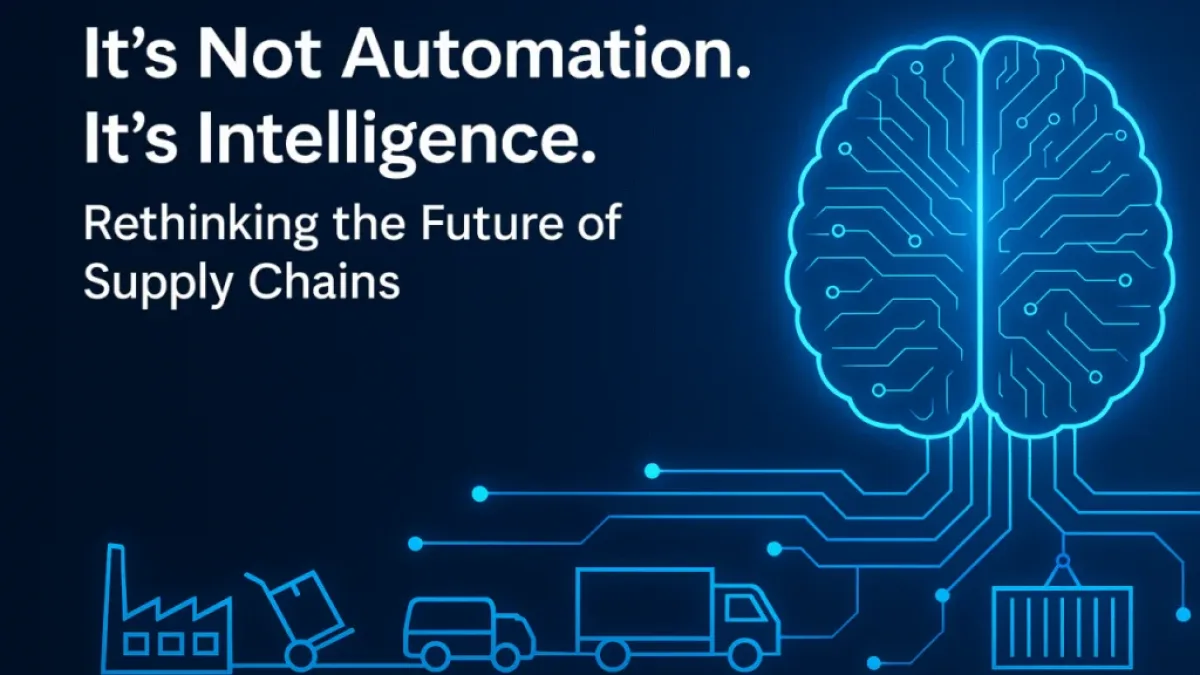
In 2026, Artificial Intelligence (AI) is becoming a critical technology for building resilient and adaptive supply chains. Global businesses face increasing challenges from geopolitical disruptions, extreme weather events, transportation delays, labor shortages, cyber threats, and rapidly changing consumer demand. AI-powered supply chain resilience platforms help organizations anticipate disruptions, optimize inventory, improve supplier visibility, and maintain business continuity across complex international networks. By integrating Machine Learning (ML), Internet of Things (IoT) sensors, cloud computing, edge computing, predictive analytics, digital twins, blockchain, and intelligent automation, AI is creating highly connected smart supply chain resilience systems.
One of the most important applications of AI is predictive risk management. Machine learning analyzes historical disruption data, weather forecasts, transportation conditions, supplier performance, geopolitical developments, and market trends to identify potential risks before they impact operations. Organizations can proactively adjust sourcing strategies, transportation routes, and inventory plans to reduce disruption exposure.
Demand forecasting has become significantly more accurate through AI-powered analytics. Intelligent models analyze sales history, seasonal patterns, economic indicators, social trends, promotional campaigns, and customer behavior to predict future demand with greater precision. This helps businesses maintain optimal inventory levels while reducing excess stock and stockouts.
Inventory optimization is another major benefit of AI in resilient supply chains. AI continuously evaluates warehouse inventory, supplier lead times, transportation schedules, and demand forecasts to determine the ideal stock levels for each product. Dynamic inventory management reduces carrying costs while ensuring critical products remain available during disruptions.
Supplier intelligence is increasingly important in global supply chain operations. AI monitors supplier financial health, production capacity, delivery performance, quality metrics, and external risk indicators. Intelligent scoring systems help procurement teams identify high-risk suppliers and diversify sourcing strategies before problems occur.
Digital Twin technology is enabling companies to create virtual replicas of entire supply chain networks, including suppliers, factories, warehouses, transportation routes, and distribution centers. AI uses these digital twins to simulate disruption scenarios, evaluate contingency plans, predict bottlenecks, and optimize recovery strategies before implementing operational changes.
Transportation optimization has become more intelligent through AI-driven logistics planning. Machine learning analyzes traffic conditions, fuel prices, port congestion, carrier availability, weather forecasts, and delivery priorities to select the most efficient and resilient transportation routes.
Edge computing supports real-time decision-making in warehouses, manufacturing facilities, and transportation hubs. IoT sensors and local processing systems can monitor inventory movements, equipment performance, temperature conditions, and shipment status instantly, enabling rapid responses even when network connectivity is limited.
Cloud computing complements edge systems by providing centralized analytics, global supply chain visibility, long-term data storage, and AI model training. Executives and operations teams can access real-time dashboards showing inventory levels, supplier status, shipment locations, risk indicators, and operational performance across multiple regions.
Blockchain integration is improving supply chain transparency and traceability. AI analyzes blockchain-based transaction records, shipment data, and supplier certifications to verify product authenticity, track material origins, and strengthen compliance with regulatory and sustainability requirements.
Cybersecurity has become a major priority as supply chains become more connected. AI-powered security platforms monitor enterprise systems, IoT devices, logistics networks, cloud environments, and supplier connections for suspicious activity. Automated threat detection helps protect critical supply chain operations from ransomware, data breaches, and other cyber threats.
Sustainability is one of the greatest advantages of AI-driven supply chain resilience. By optimizing transportation routes, reducing inventory waste, improving warehouse efficiency, and supporting responsible sourcing, AI helps organizations lower carbon emissions while strengthening operational resilience.
Despite its many benefits, AI in supply chain resilience still faces challenges including data integration across partners, interoperability between systems, implementation costs, workforce training, regulatory compliance, and cybersecurity risks. However, advances in AI software, cloud platforms, IoT technology, blockchain solutions, and intelligent logistics systems continue to accelerate adoption worldwide.
Looking toward the future, AI-powered supply chains will integrate with autonomous warehouses, self-driving freight vehicles, quantum optimization, advanced digital twins, and fully connected global trade ecosystems. These innovations will create more adaptive, transparent, and resilient supply networks capable of responding dynamically to changing market and environmental conditions.
AI in Smart Supply Chain Resilience 2026 represents a major milestone in the evolution of global commerce. By combining artificial intelligence, predictive analytics, IoT sensors, digital twins, cloud computing, edge computing, blockchain, and intelligent automation, organizations can anticipate disruptions, optimize operations, strengthen supplier networks, reduce costs, improve sustainability, and build more resilient supply chains for the future.