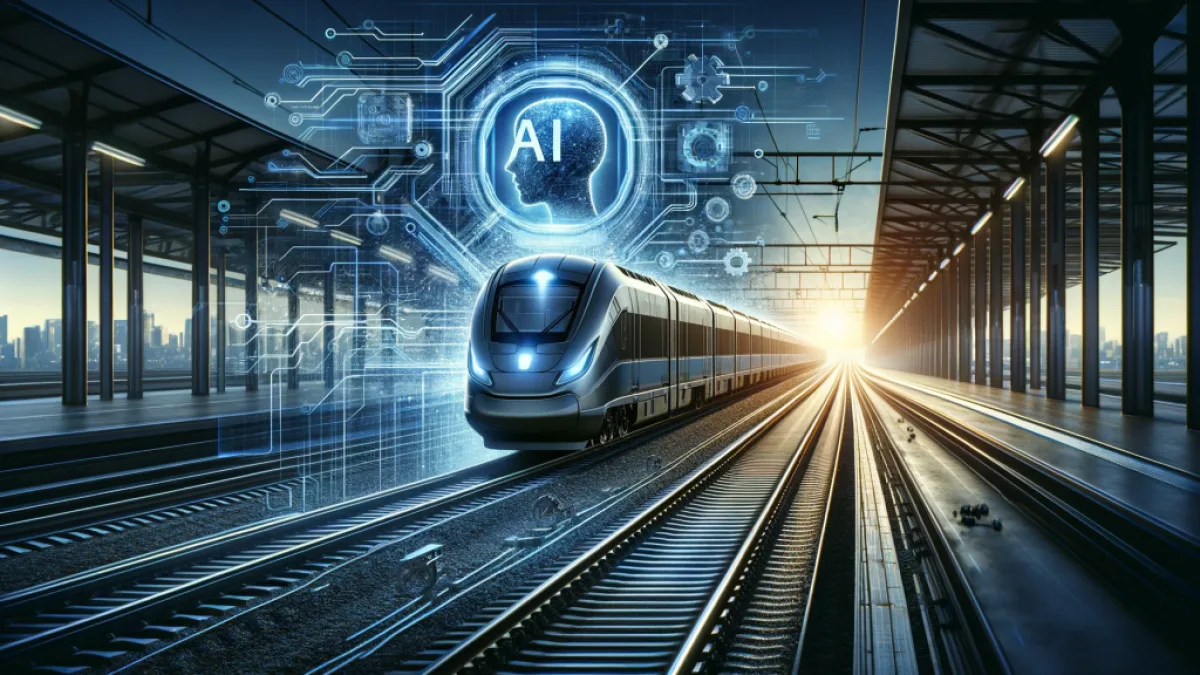
Artificial Intelligence is transforming rail transportation by enabling intelligent train scheduling, predictive track and rolling-stock maintenance, real-time traffic management, automated safety monitoring, and enhanced passenger experiences. By integrating machine learning, IoT sensors, computer vision, cloud computing, edge computing, digital twins, and advanced analytics, railway operators can improve reliability, reduce delays, lower operating costs, and support sustainability goals.
Key Transformations in Rail Transportation
Operations
Intelligent Train Scheduling
AI analyzes passenger demand, track availability, weather conditions, and network capacity to optimize train timetables and reduce congestion.
Maintenance
Predictive Infrastructure Maintenance
Sensors monitor tracks, switches, bridges, wheels, brakes, and signaling equipment while AI predicts failures before they disrupt service.
Safety
Automated Safety Monitoring
Computer vision systems detect obstacles on tracks, unauthorized access, platform safety risks, and abnormal train behavior in real time.
Passenger
Enhanced Passenger Experience
AI supports crowd management, personalized travel updates, dynamic platform information, and smarter ticketing services.
AI-Powered Rail Capabilities
Computer Vision Inspection
Real-Time Detection
Inspect tracks for cracks and defects
Monitor platform safety conditions
Detect foreign objects on rail lines
Analyze train exterior and component wear
Predictive Analytics
Operational Reliability
AI forecasts equipment failures, predicts passenger demand, identifies network bottlenecks, and supports proactive operational planning.
Digital Twin Railway Simulation
Virtual Network
Rail operators create virtual replicas of stations, tracks, signaling systems, and rolling stock to test operational changes before implementation.
Cloud & Edge Integration
Hybrid Intelligence
Edge systems process time-sensitive signaling and safety data locally while cloud platforms provide network-wide analytics and coordination.
Technology Architecture
Technology | Role in Smart Rail |
|---|---|
Machine Learning | Optimize schedules and predict disruptions |
Computer Vision | Inspect tracks and monitor safety |
IoT Sensors | Track infrastructure and train health |
Edge Computing | Enable real-time signaling decisions |
Cloud Computing | Provide centralized network analytics |
Digital Twins | Simulate railway operations and upgrades |
Business Benefits
Reliability
Higher Reliability
Fewer unexpected breakdowns
Delays
Reduced Delays
Smarter traffic and maintenance planning
Costs
Lower Costs
Optimized operations and energy use
Passenger
Better Service
Improved information and convenience
Sustainability Impact
Reduce energy consumption through optimized train operations
Minimize unnecessary idling and empty runs
Extend infrastructure lifespan with predictive maintenance
Support integration with renewable-powered rail networks
Challenges in 2026
Integration with legacy signaling and control systems
Cybersecurity protection for connected rail infrastructure
Data interoperability across regional rail networks
Regulatory compliance for AI-assisted operations
Workforce training and operational change management
Future Outlook
Over the next few years, AI-powered rail transportation will increasingly integrate with autonomous train operations, advanced digital twins, blockchain-based maintenance records, quantum optimization, and fully connected smart city mobility networks. These innovations will create safer, more efficient, and more sustainable railway ecosystems capable of adapting dynamically to passenger demand and operational conditions.