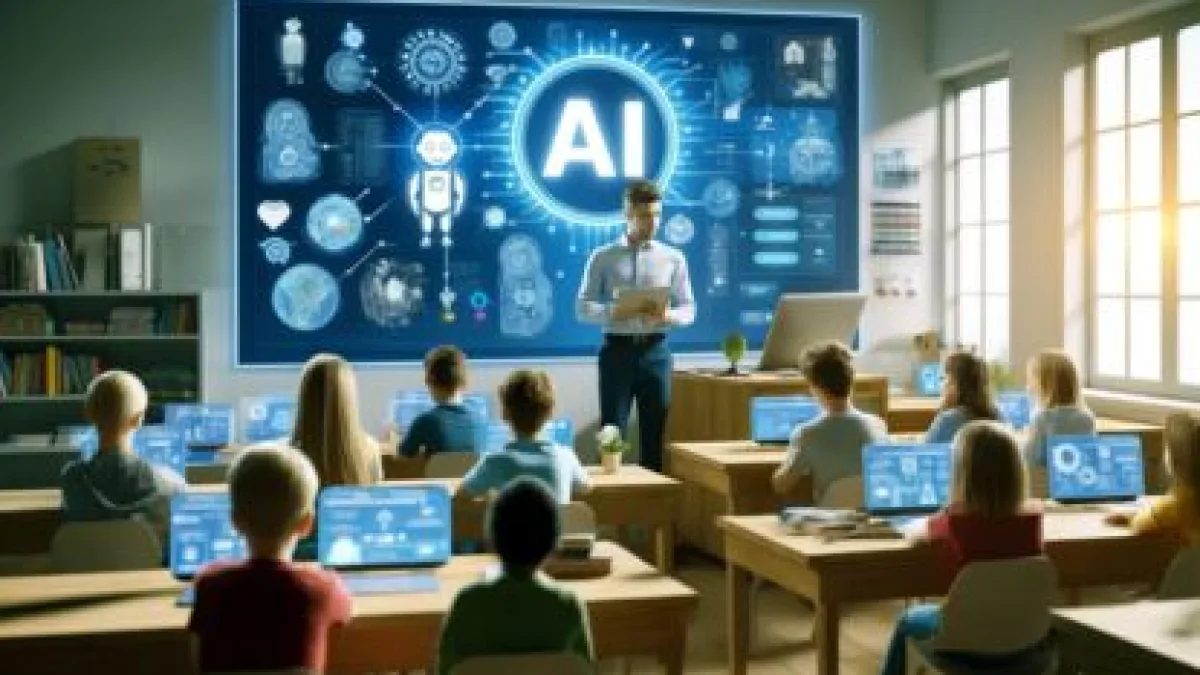
Education is experiencing one of the most significant transformations in history, and in 2026, Artificial Intelligence (AI) is at the center of this revolution. Schools, universities, corporate training programs, and online learning platforms are increasingly using AI to create personalized learning experiences, automate administrative tasks, improve student engagement, and make high-quality education more accessible worldwide. By combining machine learning, natural language processing (NLP), adaptive learning systems, cloud computing, big data analytics, virtual reality (VR), augmented reality (AR), and intelligent tutoring systems, AI is reshaping how students learn and how educators teach.
Traditional education often follows a one-size-fits-all approach, where every student receives the same lessons regardless of their learning pace or abilities. AI-powered adaptive learning platforms solve this challenge by analyzing each student's progress, strengths, weaknesses, and learning preferences. Based on this analysis, AI automatically recommends personalized lessons, quizzes, videos, and practice exercises that help students master concepts more effectively.
One of the most impactful applications of AI in education is the development of intelligent tutoring systems. These virtual tutors provide instant explanations, answer student questions, generate practice problems, and offer step-by-step guidance anytime, allowing learners to receive personalized support beyond traditional classroom hours. Students can study at their own pace while receiving continuous feedback that improves understanding and confidence.
Teachers also benefit significantly from AI-powered automation. Administrative tasks such as grading assignments, tracking attendance, creating lesson plans, scheduling classes, and analyzing student performance consume valuable time. AI automates many of these repetitive responsibilities, allowing educators to focus more on teaching, mentoring, and supporting student development.
Natural Language Processing enables AI to understand written and spoken language, making communication more effective in digital classrooms. AI-powered tools can summarize lectures, generate study notes, translate educational content into multiple languages, and provide real-time captions during online classes. These features improve accessibility for students from diverse linguistic backgrounds and those with hearing impairments.
Online learning platforms are becoming smarter through AI-driven recommendations. Similar to how streaming services recommend movies, educational platforms analyze learner behavior to suggest relevant courses, certifications, articles, and learning paths. This personalized approach increases engagement, improves course completion rates, and supports lifelong learning.
Virtual Reality and Augmented Reality become even more powerful when combined with AI. Medical students can practice surgeries in virtual environments, engineering students can interact with digital machinery, and history students can virtually explore ancient civilizations. AI adapts these immersive experiences based on each learner's progress, creating highly interactive educational environments.
AI also supports students with special educational needs. Speech recognition, text-to-speech systems, predictive typing, visual assistance tools, and personalized learning applications help students with disabilities participate more effectively in education. Intelligent accessibility technologies make learning more inclusive while reducing barriers for millions of learners worldwide.
Educational institutions increasingly use predictive analytics to identify students who may be at risk of falling behind. AI analyzes attendance records, assignment performance, assessment results, and engagement levels to detect early warning signs. Teachers and administrators can then provide timely support through tutoring, counseling, or customized learning plans before academic challenges become more serious.
Corporate training and professional development have also embraced AI. Businesses use intelligent learning platforms to deliver personalized employee training, assess skills, recommend certification programs, and monitor workforce development. AI ensures employees receive relevant training that aligns with changing job requirements and emerging technologies.
Assessment methods are evolving through AI-powered evaluation systems. Beyond multiple-choice tests, AI can evaluate essays, coding assignments, presentations, and creative projects using advanced language understanding and pattern recognition. Automated feedback helps students improve faster while reducing grading workloads for educators.
Cloud computing enables educational institutions to manage large volumes of digital content securely while supporting collaboration between students and teachers from anywhere in the world. Edge computing further enhances online education by reducing latency during virtual classes and supporting AI-powered learning applications on local devices even with limited internet connectivity.
Cybersecurity and data privacy remain critical priorities as educational systems become increasingly digital. Schools and universities implement encrypted communication, secure identity management, multi-factor authentication, and AI-driven threat detection to protect sensitive student records and learning data while complying with privacy regulations.
Despite its many advantages, AI in education still faces challenges including digital inequality, internet accessibility, teacher training, algorithm transparency, data privacy, and maintaining the human connection that is essential for effective learning. Policymakers and educational institutions continue working to ensure AI complements teachers rather than replacing them.
Looking toward the future, AI will become an essential partner in education by supporting personalized learning, intelligent mentoring, automated administration, immersive classrooms, and lifelong skill development. Future educational ecosystems will integrate AI with robotics, digital twins, metaverse learning environments, and advanced analytics to create more engaging, flexible, and accessible learning experiences.
AI in Smart Education 2026 represents a major step toward a more personalized, inclusive, and efficient education system. By combining artificial intelligence, adaptive learning, cloud computing, virtual reality, predictive analytics, and intelligent tutoring, AI is empowering students, supporting educators, and preparing learners for the rapidly evolving digital economy.