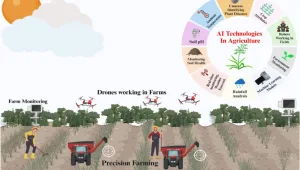
Agriculture is undergoing a major technological transformation, and in 2026, Artificial Intelligence (AI) in Precision Agriculture has become one of the most important innovations driving global food production. As farmers face increasing challenges such as climate change, rising production costs, labor shortages, unpredictable weather, and growing food demand, AI is providing intelligent solutions that improve productivity while promoting sustainability. By integrating machine learning, computer vision, drones, satellite imagery, Internet of Things (IoT) sensors, robotics, cloud computing, and predictive analytics, precision agriculture enables farmers to make data-driven decisions that maximize crop yields and minimize waste.
One of the most significant applications of AI in agriculture is real-time crop monitoring. AI-powered drones and satellites continuously capture high-resolution images of farmland, allowing farmers to detect crop stress, pest infestations, nutrient deficiencies, irrigation problems, and plant diseases long before they become visible to the human eye. Early detection enables quick intervention, reducing crop losses and improving overall harvest quality.
Smart irrigation systems are transforming water management through AI. Instead of watering entire fields on fixed schedules, intelligent irrigation platforms analyze soil moisture, weather forecasts, crop growth stages, and historical climate data to determine exactly when and how much water each section of a field requires. This approach conserves water, lowers energy costs, and supports sustainable farming in regions facing water scarcity.
AI-powered soil analysis is helping farmers better understand the health of their land. Sensors placed throughout fields collect information on soil moisture, pH levels, nutrient availability, temperature, and organic matter. Machine learning algorithms analyze this information to recommend the ideal fertilizer type, planting schedule, and soil improvement strategies, ensuring healthier crops while reducing excessive chemical usage.
Predictive analytics has become a valuable tool for modern farmers. AI processes historical weather patterns, satellite data, market demand, and crop performance records to forecast harvest yields, estimate production risks, and recommend planting decisions. Farmers can better prepare for droughts, floods, storms, or unexpected market changes, improving profitability while reducing uncertainty.
Autonomous agricultural machinery is another breakthrough in precision farming. AI-powered tractors, harvesters, seed planters, and robotic weed removers use GPS, computer vision, and advanced sensors to operate with exceptional accuracy. These intelligent machines reduce labor requirements, improve planting precision, minimize fuel consumption, and increase operational efficiency across large agricultural operations.
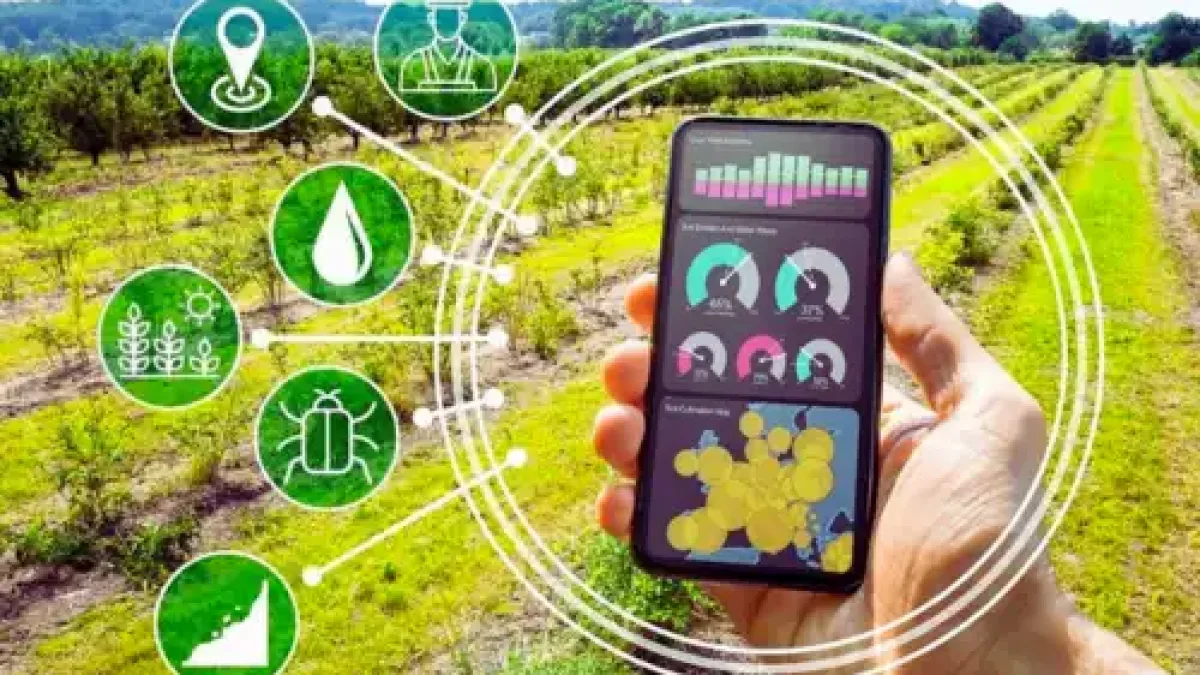
Computer vision technology is revolutionizing pest and disease management. AI analyzes images captured by drones, smartphones, and field cameras to identify insects, fungal infections, bacterial diseases, and crop damage in real time. Farmers receive instant recommendations for targeted treatment, reducing pesticide use while protecting crop health and environmental sustainability.
Livestock farming is also benefiting from AI innovation. Smart wearable devices monitor animal health, movement, body temperature, feeding habits, and reproductive cycles. AI detects signs of illness early, helping farmers improve animal welfare, reduce veterinary costs, and increase productivity in dairy, poultry, and livestock operations.
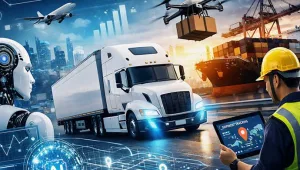
Supply chain optimization is another important advantage of AI in agriculture. Intelligent systems predict harvest timing, optimize storage conditions, manage transportation logistics, and forecast consumer demand. This helps reduce food waste, improve product freshness, and ensure efficient delivery from farms to markets.
Climate resilience has become a key focus of precision agriculture. AI analyzes long-term climate data, rainfall trends, and environmental conditions to recommend crop varieties best suited for changing weather patterns. Farmers can adapt more effectively to climate change while maintaining stable food production and protecting natural resources.
Cloud computing allows farmers to access agricultural data from anywhere using smartphones, tablets, or computers. Cloud-based farm management platforms provide real-time dashboards that integrate sensor readings, weather updates, equipment performance, and financial reports into a single interface. Edge computing complements these systems by processing urgent field data locally, enabling immediate responses even in remote areas with limited internet connectivity.
Sustainability is one of the greatest benefits of AI-driven agriculture. By optimizing fertilizer application, reducing pesticide usage, minimizing water consumption, and lowering fuel requirements, AI helps decrease agriculture's environmental impact while supporting regenerative farming practices and long-term soil health.
Despite its tremendous potential, AI in precision agriculture still faces challenges including implementation costs, internet connectivity in rural areas, farmer training, equipment compatibility, and data privacy. However, advances in affordable sensors, AI software, satellite connectivity, and autonomous equipment are making smart farming technologies increasingly accessible to farms of all sizes.
Looking toward the future, AI-powered agriculture will integrate with digital twins, agricultural robotics, blockchain-based food traceability, autonomous drone fleets, and advanced climate modeling systems to create fully connected farming ecosystems capable of feeding a growing global population more efficiently and sustainably.
AI in Precision Agriculture 2026 represents the future of modern farming. By combining artificial intelligence, predictive analytics, IoT, drones, robotics, cloud computing, and sustainable farming practices, precision agriculture is helping farmers produce more food with fewer resources while improving profitability, protecting the environment, and strengthening global food security.