In 2026, Artificial Intelligence (AI) has become one of the most influential technologies in the retail industry. From personalized shopping experiences and automated inventory management to cashier-less stores and predictive analytics, AI is helping retailers improve operational efficiency, increase customer satisfaction, and maximize profitability. By integrating Machine Learning (ML), Computer Vision, Natural Language Processing (NLP), Internet of Things (IoT), cloud computing, edge computing, robotics, and big data analytics, modern retailers are creating smarter, faster, and more personalized shopping environments.
One of the most significant applications of AI in retail is personalized customer experiences. AI analyzes browsing history, purchase behavior, demographics, seasonal trends, and customer preferences to recommend products that match individual interests. Personalized recommendations increase customer engagement, improve conversion rates, and encourage repeat purchases. E-commerce platforms and physical stores alike now use AI to deliver customized promotions, product suggestions, and dynamic pricing strategies.
Inventory management has been transformed through AI-powered forecasting. Traditional inventory systems often struggle with overstocking or stock shortages. AI analyzes historical sales data, customer demand, weather conditions, holidays, local events, and market trends to accurately predict future demand. Retailers can optimize inventory levels, reduce waste, prevent stockouts, and improve supply chain efficiency while lowering operational costs.
Computer Vision is enabling the growth of cashier-less shopping experiences. AI-powered cameras and sensors automatically identify products customers select, track shopping carts, and process payments without requiring traditional checkout counters. This technology reduces waiting times, enhances customer convenience, and improves store efficiency while minimizing staffing requirements.
AI chatbots and virtual shopping assistants have become valuable customer service tools. Using Natural Language Processing, intelligent assistants answer product questions, recommend suitable items, assist with order tracking, process returns, and provide 24/7 customer support. These AI systems improve customer satisfaction while reducing the workload on human support teams.
Retailers are increasingly using AI-powered predictive analytics to optimize pricing strategies. Machine learning continuously analyzes competitor pricing, consumer demand, inventory availability, purchasing behavior, and market conditions to recommend optimal product prices. Dynamic pricing helps retailers remain competitive while maximizing revenue and maintaining healthy profit margins.
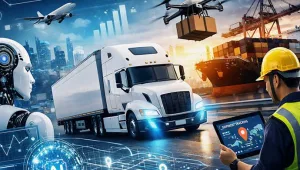
Supply chain optimization is another major benefit of AI in retail. AI monitors supplier performance, warehouse operations, transportation routes, delivery schedules, and inventory movement in real time. Predictive analytics identifies potential disruptions before they occur, allowing businesses to adjust logistics strategies, reduce delays, and improve product availability across multiple sales channels.
AI-powered robotics are becoming increasingly common in warehouses and fulfillment centers. Autonomous robots transport inventory, organize storage shelves, pick products, pack orders, and assist workers with repetitive tasks. Intelligent automation accelerates order fulfillment, reduces operational errors, and increases productivity while supporting the rapid growth of e-commerce.
Fraud detection and cybersecurity are also strengthened through AI. Machine learning algorithms analyze payment transactions, customer login behavior, purchasing patterns, and account activities to detect suspicious behavior. AI identifies fraudulent transactions in real time, helping retailers reduce financial losses while protecting customer information and maintaining trust.
Smart shelves equipped with IoT sensors and AI continuously monitor inventory availability in physical stores. These intelligent systems automatically detect empty shelves, misplaced products, pricing errors, and expiration dates. Store managers receive instant alerts, enabling faster restocking and improving the overall shopping experience.
Marketing has become more data-driven through AI. Retailers analyze customer behavior across websites, mobile apps, social media platforms, and physical stores to create targeted advertising campaigns. AI identifies high-value customer segments, predicts buying intent, and recommends personalized marketing strategies that improve return on investment.
Cloud computing provides scalable infrastructure for storing and analyzing massive retail datasets, while edge computing enables real-time decision-making within stores. Together, these technologies support intelligent analytics, inventory synchronization, customer insights, and fast AI-powered responses without excessive dependence on centralized cloud systems.
Sustainability is becoming an important focus for AI-powered retail. Intelligent demand forecasting reduces food waste and excess inventory, while optimized delivery routes lower fuel consumption and carbon emissions. AI also helps retailers identify environmentally friendly packaging solutions and improve resource utilization throughout the supply chain.
Despite its many advantages, AI in retail still faces challenges including implementation costs, data privacy concerns, cybersecurity risks, employee training, legacy system integration, and maintaining the balance between automation and personalized human service. However, advances in AI platforms, cloud infrastructure, edge computing, and retail analytics continue to make intelligent retail solutions more accessible for businesses of all sizes.
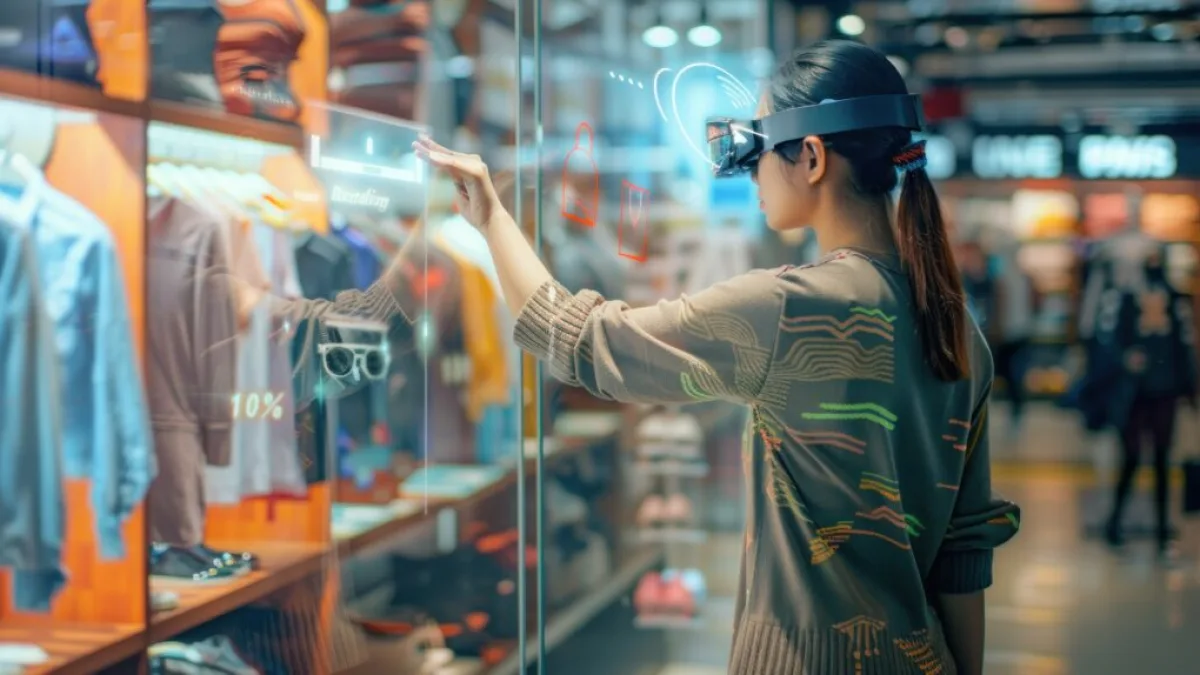
Looking toward the future, AI-powered retail will integrate with autonomous delivery robots, augmented reality shopping, virtual stores, blockchain-based supply chains, digital twins, and generative AI assistants. These innovations will create seamless omnichannel shopping experiences while improving operational efficiency and customer satisfaction.
AI in Smart Retail 2026 represents the future of modern commerce. By combining artificial intelligence, machine learning, IoT, cloud computing, robotics, predictive analytics, and intelligent automation, retailers can deliver exceptional customer experiences, optimize business operations, reduce costs, and remain competitive in an increasingly digital marketplace.