In 2026, Artificial Intelligence (AI) has become a critical technology driving the global transition toward clean and sustainable energy. As countries invest heavily in renewable power generation, AI-powered energy management systems are helping utilities, businesses, and governments optimize solar farms, wind turbines, battery storage systems, and smart electrical grids. By combining Machine Learning (ML), Internet of Things (IoT) sensors, cloud computing, edge computing, predictive analytics, digital twins, and real-time monitoring, AI enables energy networks to operate more efficiently, reduce waste, lower costs, and support the growing demand for low-carbon electricity.
One of the biggest challenges in renewable energy is variability. Solar panels depend on sunlight, while wind turbines rely on changing wind conditions. AI solves this problem by analyzing weather forecasts, satellite imagery, historical generation data, and real-time sensor readings to predict renewable energy production with remarkable accuracy. Utility operators can prepare for fluctuations in power generation and maintain a stable electricity supply.
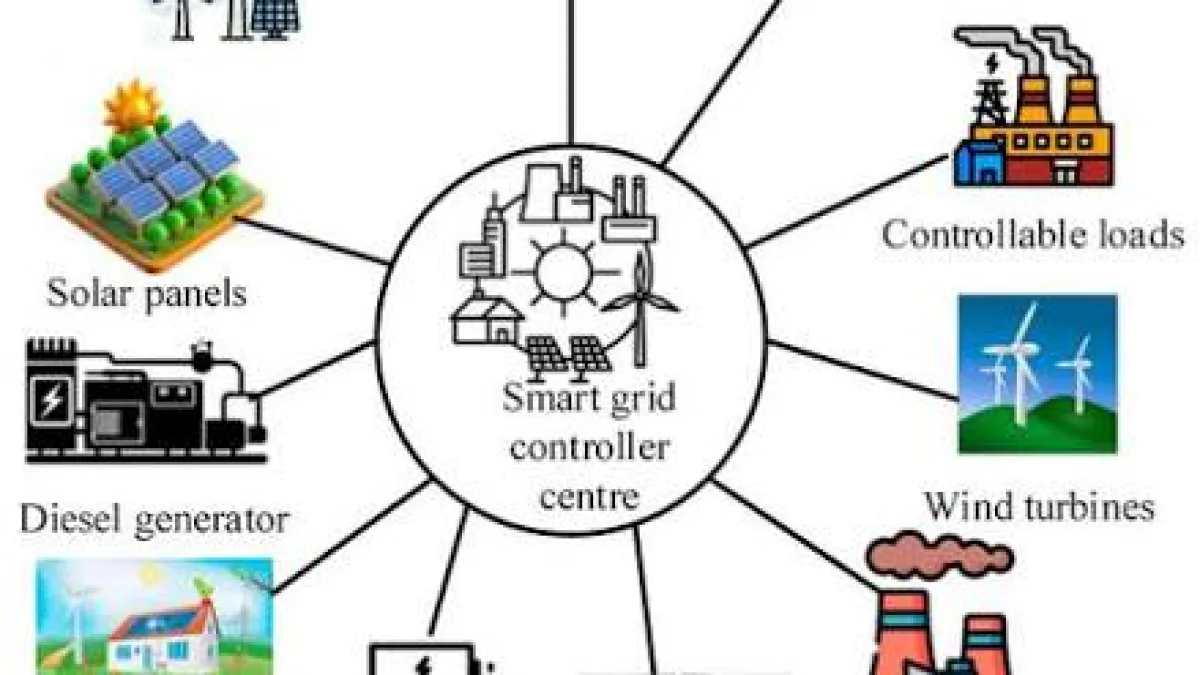
Smart grid management is one of the most important applications of AI in renewable energy. Traditional power grids were designed for centralized fossil-fuel power plants, but modern grids must integrate thousands of distributed renewable energy sources. AI continuously monitors electricity demand, generation levels, transmission capacity, and grid conditions, automatically balancing supply and demand while reducing the risk of outages.
AI-powered solar energy optimization helps maximize electricity production from photovoltaic systems. Intelligent algorithms track sunlight intensity, panel temperature, shading conditions, and equipment performance to optimize panel orientation and detect faults early. Predictive maintenance identifies failing components before they reduce energy output, improving system reliability and extending equipment lifespan.
Wind farms are also becoming more efficient through AI. Machine learning models analyze wind speed, direction, turbine vibration, blade performance, and weather patterns to optimize turbine operation. AI can adjust blade angles in real time, forecast maintenance needs, and minimize downtime, allowing wind farms to generate more electricity with lower operating costs.
Energy storage has become a key component of renewable energy systems, and AI plays a major role in battery management. Intelligent battery systems monitor charge levels, temperature, degradation rates, and energy demand to optimize charging and discharging cycles. This improves battery lifespan, increases storage efficiency, and ensures stored renewable energy is available when demand is highest.
Electric vehicle charging infrastructure is increasingly integrated with AI-powered energy management. Smart charging networks analyze electricity prices, grid demand, renewable energy availability, and user charging patterns to schedule charging during the most efficient periods. This reduces grid stress while lowering charging costs for consumers.
Industrial facilities are using AI to optimize energy consumption across manufacturing operations. Intelligent energy management platforms monitor equipment usage, production schedules, and electricity prices to reduce peak demand charges and increase the use of renewable power. Businesses can significantly lower energy costs while meeting sustainability targets.
Predictive analytics is transforming utility planning. AI forecasts future electricity demand based on population growth, weather conditions, economic activity, and consumption trends. Energy providers can make better investment decisions regarding renewable energy projects, transmission infrastructure, and storage capacity.
Digital Twin technology is becoming increasingly important in renewable energy management. Utilities create virtual replicas of power plants, wind farms, solar installations, and electrical grids that receive continuous real-time data from connected sensors. AI simulates different operating scenarios, predicts equipment failures, and identifies opportunities for efficiency improvements before implementing changes in the physical system.
Microgrids are another area benefiting from AI innovation. Local energy networks combining solar panels, batteries, and backup generation use AI to operate independently when necessary. During power outages or emergencies, AI-powered microgrids automatically isolate from the main grid and continue supplying electricity to critical facilities such as hospitals, data centers, and emergency response centers.
Edge computing enables renewable energy systems to make rapid decisions locally without depending entirely on cloud connectivity. Solar inverters, battery controllers, and wind turbine systems can process operational data in real time, improving responsiveness and reliability even in remote locations.
Cybersecurity has become a major priority as energy infrastructure becomes more connected. AI-powered threat detection systems monitor smart grids, renewable energy facilities, and industrial control networks for suspicious activity. Zero-trust security architectures, encrypted communications, and continuous monitoring help protect critical energy infrastructure from cyberattacks.
Environmental sustainability is one of the greatest benefits of AI-powered renewable energy management. By improving generation efficiency, reducing transmission losses, optimizing storage, and increasing renewable energy utilization, AI helps lower greenhouse gas emissions and accelerate progress toward global climate goals.
Despite its advantages, AI in renewable energy still faces challenges including integration with legacy grid infrastructure, data standardization, cybersecurity risks, implementation costs, and the need for skilled energy and AI professionals. However, advances in cloud platforms, AI software, IoT devices, and smart grid technologies continue to accelerate adoption worldwide.
Looking toward the future, AI-powered renewable energy systems will integrate with autonomous energy markets, blockchain-based energy trading, quantum optimization, intelligent home energy systems, and next-generation smart cities. These innovations will create highly resilient, decentralized energy networks capable of delivering clean, affordable, and reliable electricity on a global scale.
AI in Renewable Energy Management 2026 represents a major milestone in the transition to sustainable power. By combining artificial intelligence, predictive analytics, IoT, digital twins, cloud computing, edge computing, and smart grid technology, organizations can maximize renewable energy efficiency, reduce operational costs, improve grid reliability, and support a cleaner, more sustainable energy future.