Iran has witnessed renewed anti-government protests just over a month after the previous wave of unrest. On Saturday, students staged demonstrations at several universities across the country, with clashes reported in some areas between protesters and pro-government supporters. Meanwhile, sources have indicated that Iran has agreed to reduce its stockpile of enriched uranium as part of ongoing discussions with the United States.
Anti-government protests first erupted in late December, intensifying during the first 10 days of January. At that time, security forces were deployed in Tehran, and violent confrontations between demonstrators and authorities reportedly left thousands dead. The unrest was described as the most severe internal uprising since Iran’s 1979 Islamic Revolution. Ultimately, Tehran managed to suppress the protests.
“Death to Dictatorship”
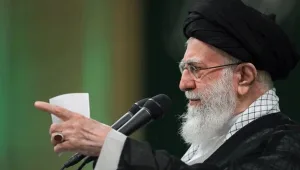
According to Iranian media outlets and social media reports, protesters at Tehran’s Sharif University of Technology chanted slogans referring to Supreme Leader Ayatollah Ali Khamenei as a “killer leader.” Some demonstrators called for Reza Pahlavi, the exiled son of Iran’s former Shah, to assume leadership as the country’s new monarch.
Videos released by state-affiliated agencies, including SNN, showed protesters throwing stones at volunteer students associated with the pro-government Basij militia. Members of the Basij often assist security forces in quelling demonstrations.
Human rights groups also circulated footage of protests at Beheshti University and Amirkabir University in Tehran, as well as at Mashhad University in northeastern Iran. In the western city of Abdanan, protesters were heard chanting “Death to Khamenei” and “Death to dictatorship.”
Iran Agrees to Reduce Uranium Stockpile
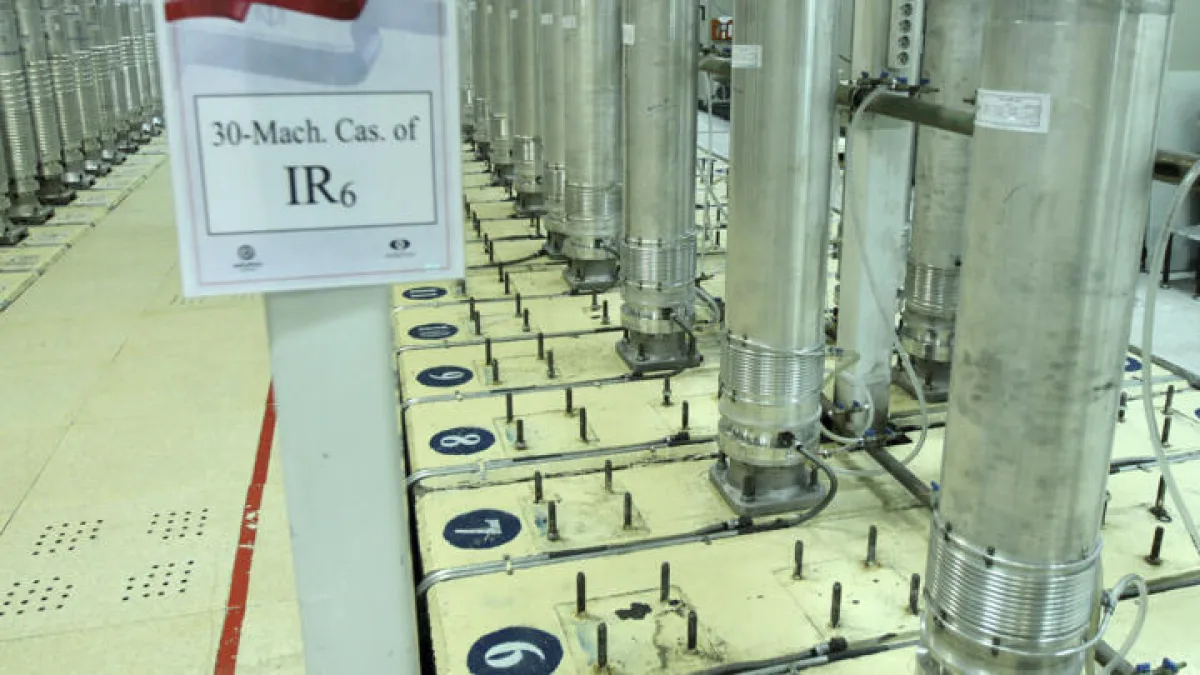
In parallel developments, Iran has agreed to reduce its stockpile of enriched uranium, though under the supervision of the International Atomic Energy Agency (IAEA). However, Tehran is reportedly unwilling to export its existing 300 kilograms of highly enriched uranium, according to multiple Iranian sources cited by The Guardian.
The sources said Iran is expected to formally present the proposal to reduce its stockpile within days during ongoing nuclear negotiations with the United States. Iran currently possesses uranium enriched to 60 percent purity—close to weapons-grade levels. However, Tehran has indicated a willingness to lower enrichment levels to below 20 percent.
Iranian Foreign Minister Abbas Araghchi stated that the United States has not demanded a complete halt to uranium enrichment within Iran, but rather has focused on reducing the purity level of enriched uranium. He also dismissed reports suggesting that Iran would suspend uranium enrichment for two or three years, calling such claims inaccurate.
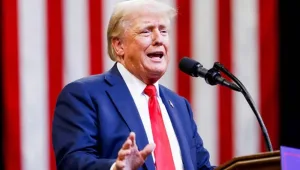
Recently, Washington and Tehran held a second round of talks in Geneva, Switzerland, regarding Iran’s nuclear program. While both sides described the discussions as positive, U.S. President Donald Trump has simultaneously increased military deployments in the Middle East. He has also warned that if no agreement is reached within 10 to 15 days, Iran could face military action.