Autonomous vehicles are becoming one of the most exciting innovations in transportation. In 2026, self-driving technology is advancing rapidly, bringing us closer to fully autonomous transportation systems.
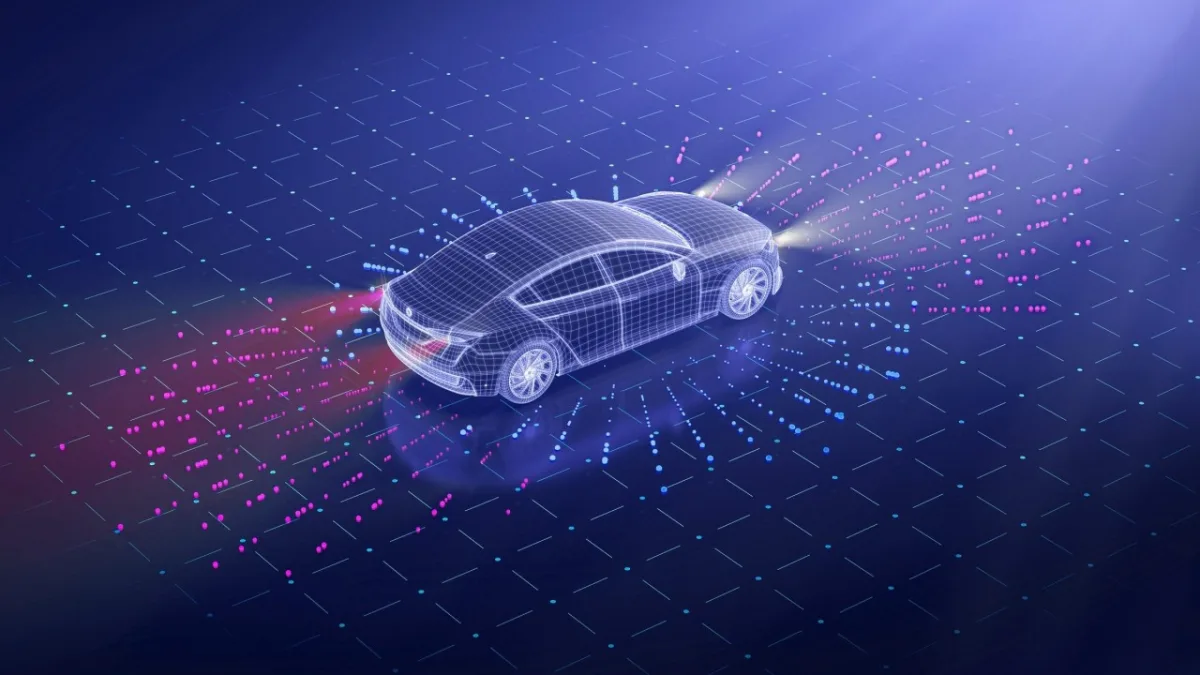
Self-driving cars use a combination of sensors, cameras, radar and artificial intelligence to navigate roads without human intervention. These systems can detect obstacles, analyze traffic conditions and make driving decisions in real time.
One of the biggest advantages of autonomous vehicles is safety. Human error is a major cause of accidents, and self-driving technology aims to reduce this risk.
Autonomous vehicles can also improve traffic efficiency by optimizing routes and reducing congestion. This can lead to faster travel times and lower fuel consumption.
However, there are still challenges such as regulatory approval, safety testing and public trust. Governments and companies are working together to address these issues.
As technology continues to improve, autonomous vehicles are expected to become a common part of everyday transportation.