The rapid growth of cloud computing, artificial intelligence, video streaming, and digital services has dramatically increased the demand for data centers around the world. Every online search, video call, AI prompt, online purchase, and cloud application depends on powerful servers operating inside these facilities. As digital transformation accelerates in 2026, data centers have become the backbone of the global economy. However, they also consume enormous amounts of electricity and water, making sustainability one of the industry's highest priorities.
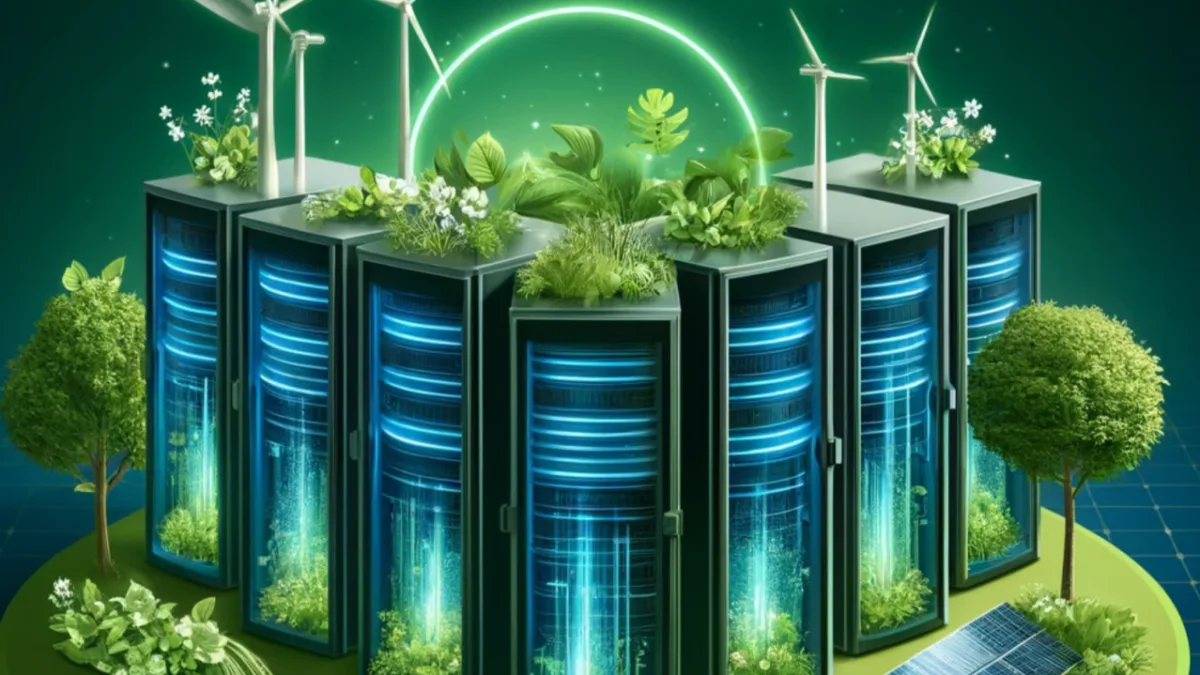
Sustainable data centers are designed to reduce environmental impact while maintaining high performance, reliability, and security. Through energy-efficient hardware, renewable energy sources, advanced cooling systems, and AI-powered infrastructure management, modern facilities are becoming significantly greener than previous generations.
One of the biggest challenges for traditional data centers is electricity consumption. Thousands of servers run continuously, generating massive amounts of heat that require constant cooling. Without efficient cooling systems, energy consumption increases dramatically, leading to higher operational costs and greater carbon emissions.
To solve this problem, many organizations are deploying AI-driven cooling technologies. Artificial intelligence continuously monitors server temperatures, airflow, humidity, and workload distribution. Instead of cooling an entire building equally, AI automatically adjusts cooling based on real-time demand, reducing unnecessary energy consumption while maintaining optimal operating conditions.
Liquid cooling has also become one of the most important innovations in sustainable computing. Unlike conventional air conditioning, liquid cooling transfers heat much more efficiently. Coolant circulates directly around processors and high-performance hardware, allowing servers to operate at lower temperatures while consuming less electricity. This technology is becoming increasingly important for AI servers and high-performance computing clusters.
Renewable energy is another major factor transforming modern data centers. Technology companies are investing heavily in solar farms, wind power, hydroelectric energy, and battery storage systems to reduce dependence on fossil fuels. Many of the world's largest cloud providers now operate facilities powered partially or entirely by renewable electricity, significantly lowering their carbon footprint.
Energy storage systems are equally important because renewable energy sources are not always available throughout the day. Large-scale battery installations allow excess solar and wind energy to be stored and used during peak demand periods, improving reliability while supporting sustainable operations.
Server virtualization has become another essential strategy for improving efficiency. Instead of dedicating one physical server to a single application, virtualization allows multiple workloads to share computing resources. This increases hardware utilization, reduces the number of physical servers required, lowers electricity usage, and minimizes electronic waste.
Cloud computing providers are also optimizing workload distribution across global infrastructure. AI systems automatically move computing tasks to facilities with lower energy demand or greater renewable energy availability. This intelligent resource management improves efficiency while reducing operational costs.
Water conservation is becoming increasingly important as well. Traditional cooling systems often require large amounts of water. Modern sustainable data centers now use recycled water, rainwater harvesting, closed-loop cooling systems, and advanced heat exchange technologies to minimize water consumption without sacrificing performance.
Construction materials are also evolving. Many new facilities are built using environmentally friendly materials, energy-efficient insulation, and sustainable architectural designs that improve natural airflow and reduce cooling requirements. Some facilities even recycle waste heat to warm nearby residential buildings, offices, or industrial facilities, turning excess energy into a valuable resource.
Artificial intelligence plays a growing role beyond cooling management. AI continuously analyzes hardware performance, predicts equipment failures before they occur, optimizes server workloads, and identifies opportunities to improve overall energy efficiency. Predictive maintenance reduces downtime while extending the lifespan of expensive infrastructure.
Security remains a top priority despite the emphasis on sustainability. Green data centers continue to implement enterprise-grade cybersecurity, physical security systems, biometric access controls, encrypted communications, and continuous monitoring to protect sensitive information from cyber threats.
Governments around the world are introducing stricter environmental regulations for digital infrastructure. Carbon reduction targets, energy efficiency standards, and renewable energy incentives are encouraging organizations to modernize existing facilities and build more sustainable infrastructure for the future.
Businesses also benefit financially from sustainable operations. Lower electricity consumption reduces operating expenses, while efficient hardware decreases maintenance costs. Companies adopting environmentally responsible practices also strengthen their corporate reputation and attract environmentally conscious customers and investors.
Artificial intelligence, cloud computing, blockchain, big data analytics, and the Internet of Things will continue driving demand for computing power. Without sustainable infrastructure, supporting this digital growth would become increasingly expensive and environmentally challenging. Green data centers provide a practical solution by balancing technological innovation with environmental responsibility.
Looking ahead, future data centers may become completely carbon-neutral through advanced renewable energy integration, modular construction, hydrogen-powered backup systems, next-generation cooling technologies, and fully autonomous AI management. These innovations will support the rapidly expanding digital economy while minimizing environmental impact.
Sustainable data centers represent much more than energy-efficient buildings. They are becoming the foundation of a cleaner, smarter, and more resilient digital future where technological progress and environmental sustainability work together to support long-term global growth.