Artificial Intelligence and robotics have advanced rapidly over the past decade, but 2026 marks a turning point where intelligent robots are becoming an essential part of everyday life and business operations. Once limited to factory assembly lines, modern AI-powered robots are now working in hospitals, warehouses, farms, offices, restaurants, homes, construction sites, and even disaster response environments. With breakthroughs in machine learning, computer vision, natural language processing, autonomous navigation, and edge computing, robots are becoming smarter, safer, and more capable than ever before.
AI Robotics combines physical machines with advanced artificial intelligence software, allowing robots to perceive their surroundings, understand human instructions, learn from experience, and make decisions without constant human control. Unlike traditional industrial robots that repeat pre-programmed movements, intelligent robots continuously adapt to changing environments using cameras, LiDAR sensors, GPS, ultrasonic sensors, and deep learning algorithms.
One of the biggest advantages of AI robotics is automation. Businesses can automate repetitive, dangerous, or time-consuming tasks while improving efficiency, reducing operational costs, and increasing workplace safety. Intelligent robots can operate continuously with minimal downtime, making them valuable assets across numerous industries.
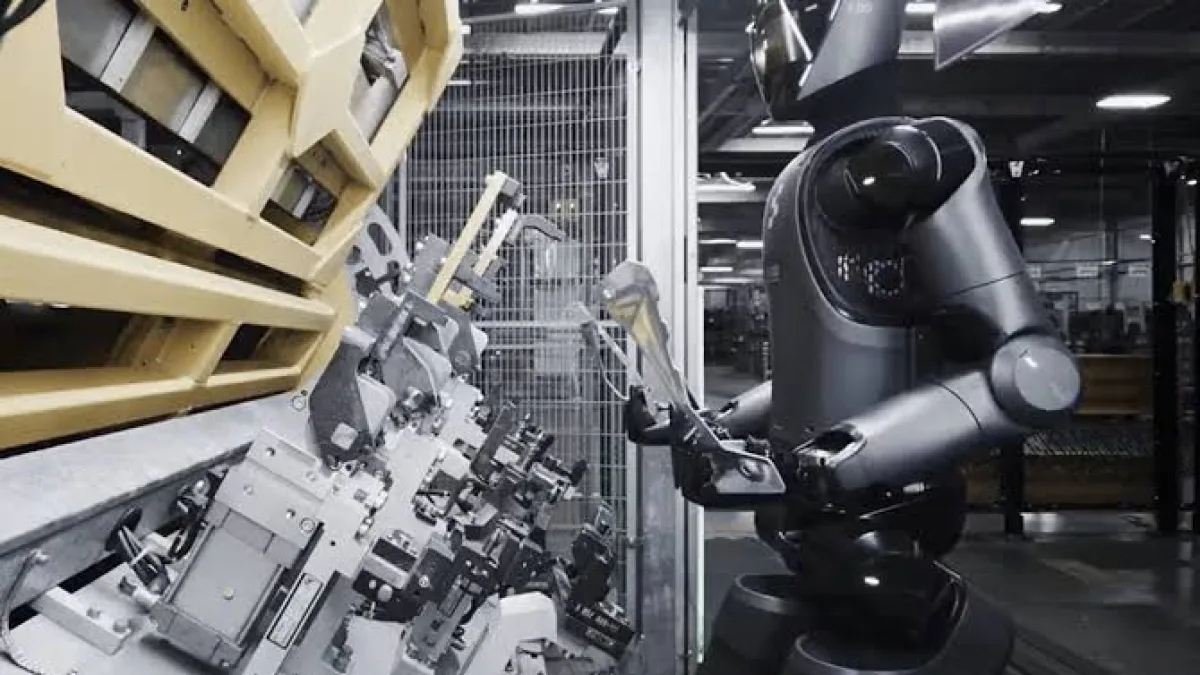
Manufacturing remains the largest user of AI robotics. Smart factories now deploy collaborative robots, commonly known as cobots, that safely work alongside human employees. These robots assemble products, inspect quality, transport materials, package goods, and perform precision welding with remarkable accuracy. AI enables robots to identify defects, optimize production schedules, and adapt to new manufacturing requirements without extensive reprogramming.
Warehousing and logistics have also experienced a robotic revolution. Autonomous mobile robots navigate warehouses, retrieve inventory, organize shelves, and prepare customer orders with exceptional speed. AI-powered warehouse management systems optimize delivery routes, reduce shipping delays, and improve inventory accuracy, helping e-commerce businesses meet growing consumer demand.
Healthcare is another industry being transformed by AI robotics. Robotic surgical systems assist surgeons during complex operations by providing greater precision, stability, and control. Autonomous hospital robots deliver medications, transport medical supplies, disinfect patient rooms using ultraviolet light, and support healthcare professionals by reducing routine workloads. Rehabilitation robots help patients recover mobility after injuries or strokes through personalized physical therapy programs powered by AI.
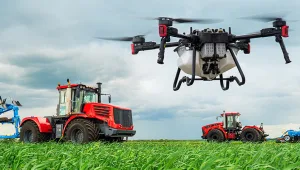
Agriculture is increasingly adopting intelligent robotic solutions to improve food production. Autonomous tractors, harvesting robots, and AI-powered drones monitor crop health, identify diseases, apply fertilizers precisely, and reduce water consumption. These technologies help farmers increase crop yields while lowering operational costs and minimizing environmental impact.
Construction companies are using robotics to improve safety and productivity on building sites. AI-powered machines perform bricklaying, concrete printing, structural inspections, demolition, and hazardous material handling. Drones equipped with AI analyze construction progress, monitor safety compliance, and generate detailed site maps that improve project management.
The retail and hospitality industries are embracing robotics to enhance customer service. Hotels use robots for room delivery, concierge assistance, and cleaning services, while restaurants deploy robotic kitchen assistants capable of preparing meals with consistent quality. Retail stores use inventory robots to monitor stock levels, identify pricing errors, and improve customer experiences.
Artificial Intelligence plays a central role in enabling robots to interact naturally with humans. Voice recognition allows robots to understand spoken commands, while natural language processing enables meaningful conversations. Computer vision allows robots to recognize faces, identify objects, read text, and safely navigate complex environments. Machine learning continuously improves robotic performance based on previous experiences.
Edge computing has become increasingly important for AI robotics. Instead of relying entirely on cloud computing, many robots process information locally using high-performance AI processors. This reduces latency, improves response times, and enables robots to function even when internet connectivity is limited. Cloud platforms still support large-scale AI model updates, fleet management, and long-term data analysis.
Smart homes are becoming more intelligent through domestic robots. Robotic vacuum cleaners, lawn mowers, window cleaners, security patrol robots, and AI-powered personal assistants simplify household tasks. Future home robots are expected to provide elderly care, medication reminders, companionship, and emergency assistance, helping people maintain independent lifestyles.
Public safety organizations are also adopting AI robotics. Search-and-rescue robots explore collapsed buildings, underground tunnels, and disaster zones that are too dangerous for human responders. Bomb disposal robots safely neutralize explosive devices, while firefighting robots assist emergency teams in hazardous environments.
The transportation sector is benefiting from autonomous delivery robots that transport groceries, medical supplies, and online purchases directly to customers. Self-driving robots operating on sidewalks and within business campuses reduce delivery costs while improving convenience.
Education is another area experiencing growth in educational robotics. Students learn programming, engineering, and problem-solving through hands-on robotic projects. AI tutors combined with robotic teaching assistants help personalize learning experiences while making STEM education more engaging.
Cybersecurity remains an important consideration as robots become increasingly connected. Manufacturers implement secure communication protocols, encrypted software updates, identity authentication, and AI-powered threat detection to protect robots from cyberattacks. Safe and secure robotic systems are essential as robots begin handling sensitive industrial, medical, and personal data.
Ethical considerations continue shaping AI robotics development. Researchers focus on transparency, fairness, accountability, and human oversight to ensure robots operate responsibly. Governments are developing regulations covering autonomous decision-making, workplace safety, data privacy, and liability as robotic technologies become more widespread.
Economic opportunities continue expanding as robotics creates demand for software engineers, AI specialists, robotics technicians, cybersecurity experts, and automation consultants. Rather than replacing all human jobs, AI robotics is increasingly augmenting human capabilities by automating repetitive tasks while allowing workers to focus on creativity, strategy, and complex decision-making.
Despite rapid progress, challenges remain. High development costs, hardware complexity, battery limitations, regulatory compliance, public acceptance, and interoperability between robotic platforms require continued innovation. Advances in AI chips, batteries, lightweight materials, and cloud robotics are expected to address many of these limitations over the coming years.
Looking ahead, AI robotics will continue integrating with technologies such as 5G, digital twins, augmented reality, quantum computing, and advanced sensors. Future robots will become more autonomous, collaborative, and adaptable across industries ranging from healthcare and education to agriculture, logistics, and space exploration.
AI Robotics in 2026 represents far more than automated machines—it marks the evolution of intelligent systems capable of working alongside humans to improve productivity, safety, healthcare, sustainability, and quality of life. As artificial intelligence continues advancing, robotics will become one of the defining technologies shaping the future of the global economy and modern society.